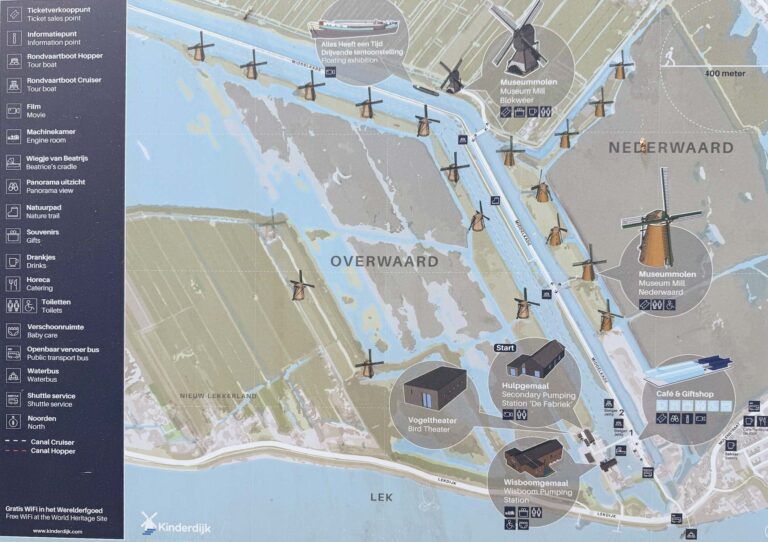
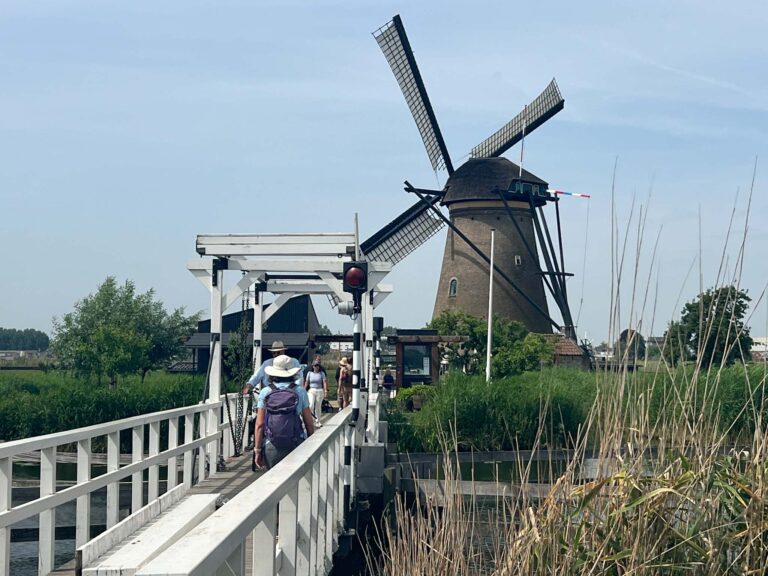
Only two windmills can be visited; the rest are privately run by millers who train for at least two years to qualify. They must run their windmills under strict regulations and are responsible for maintaining the property.
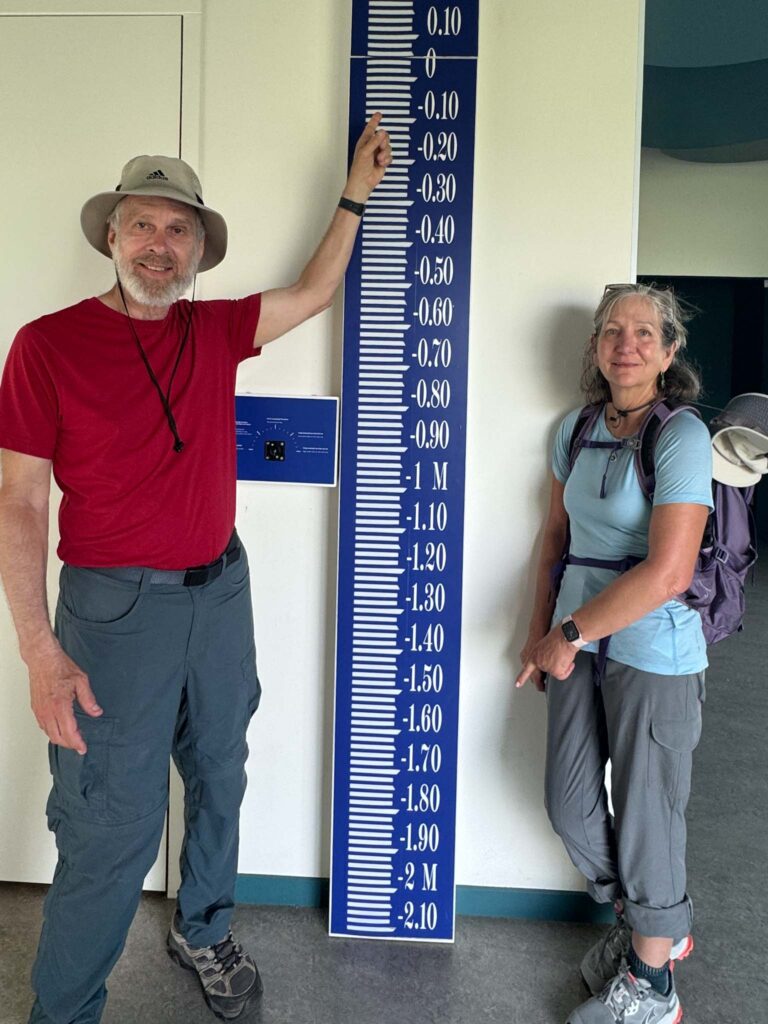
The water table in Kinderdijk is considerably lower than th Maas River nearby. If the river is at sea level, the canals next to the windmills are about two meters below sea level.
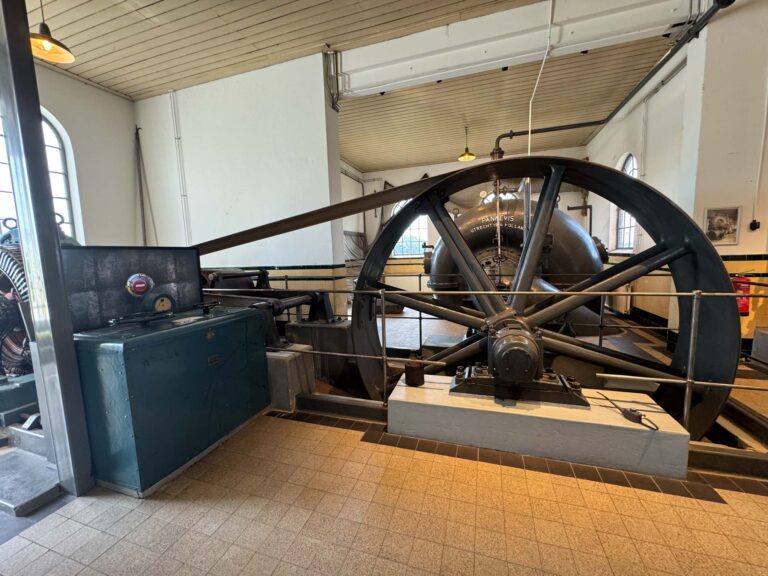
Windmills began to lose the battle to keep water levels balanced in several severe storms. In 1868 two steam-powered pumping stations were added for more control. By the early 20th century, these pumps were converted to electric and diesel pumps.
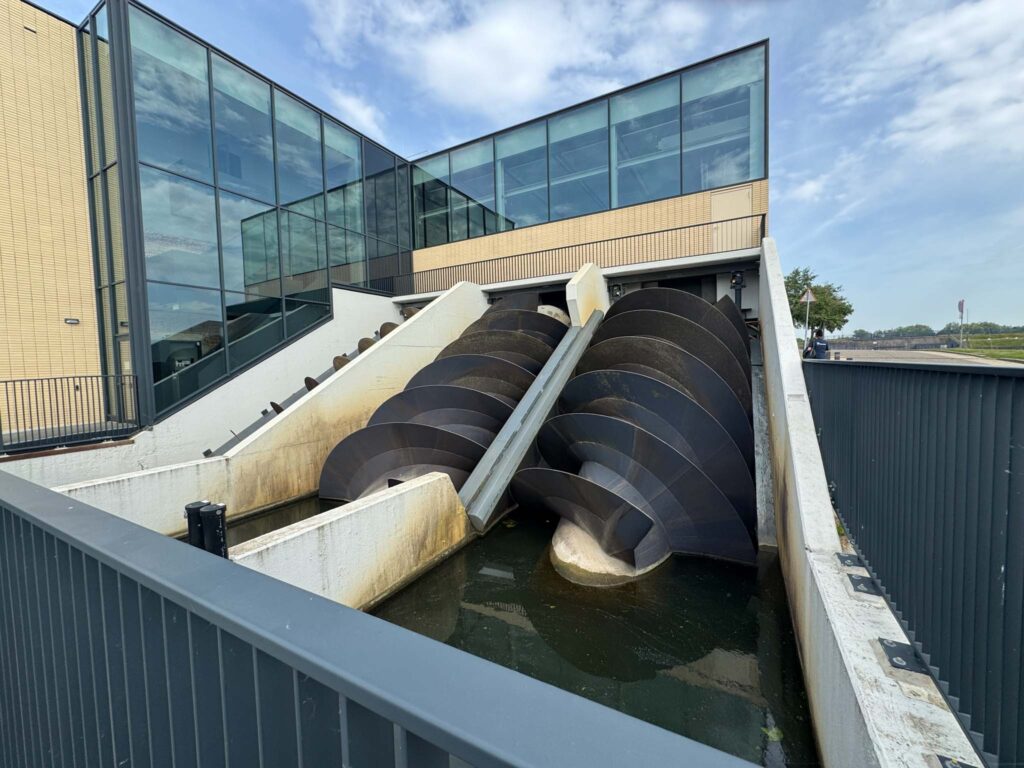
Today’s pumping station has three Archimede’s screws that lift water up as they turn. It has a capacity of 1,500 cubic meters per minute.
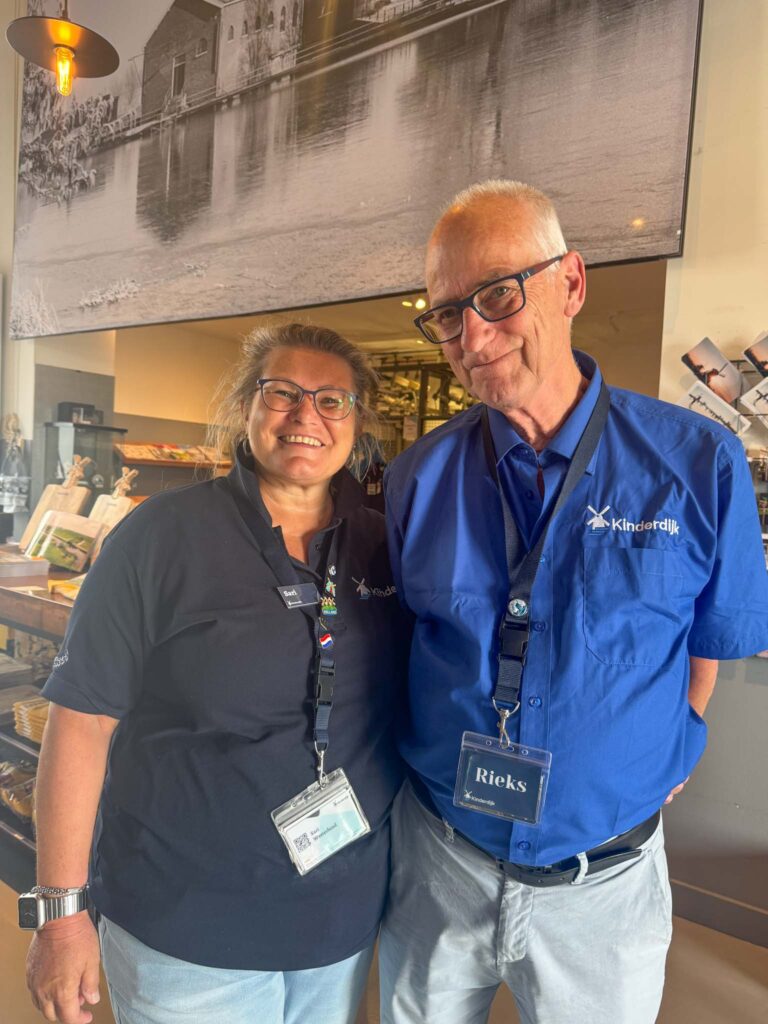
Sari and Rieks were very helpful in explaining the pump8ng stations. We were lucky it was a slow morning for them.
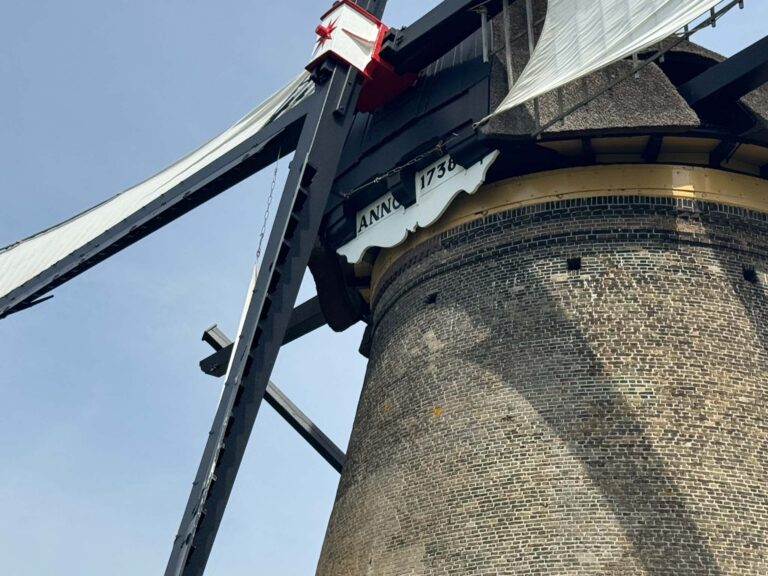
The first windmill museum is the Nederwaard Mill, a brick basin mill from 1738.
The date is marked below the rotating cap on what is called the windmill’s beard.
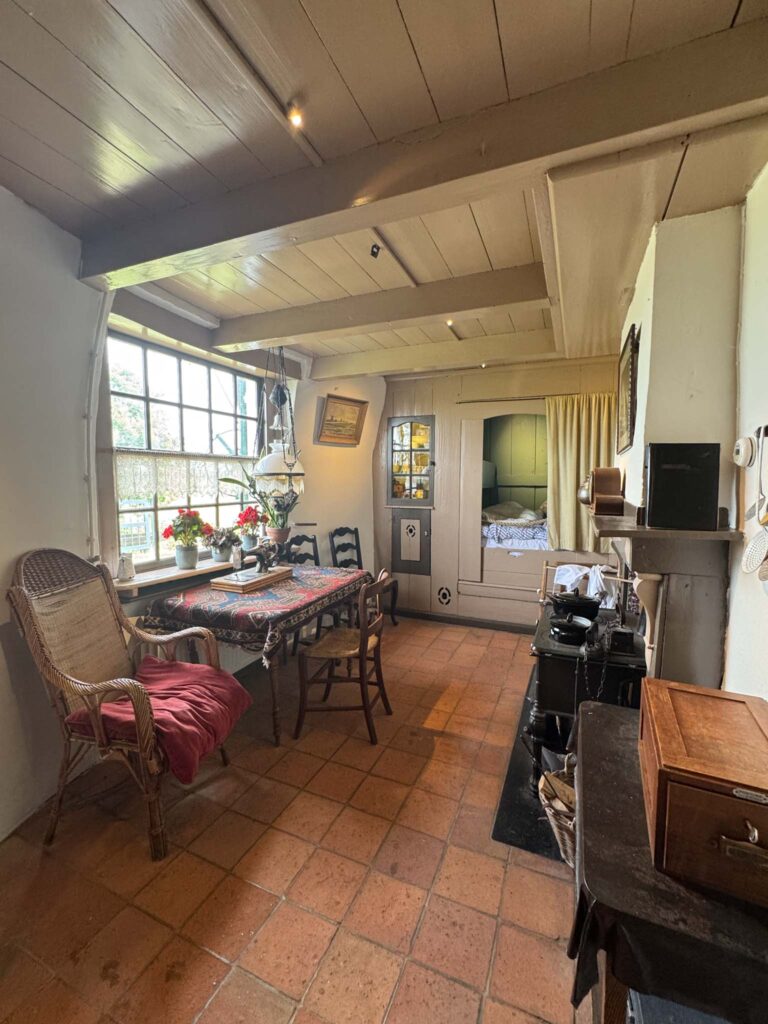
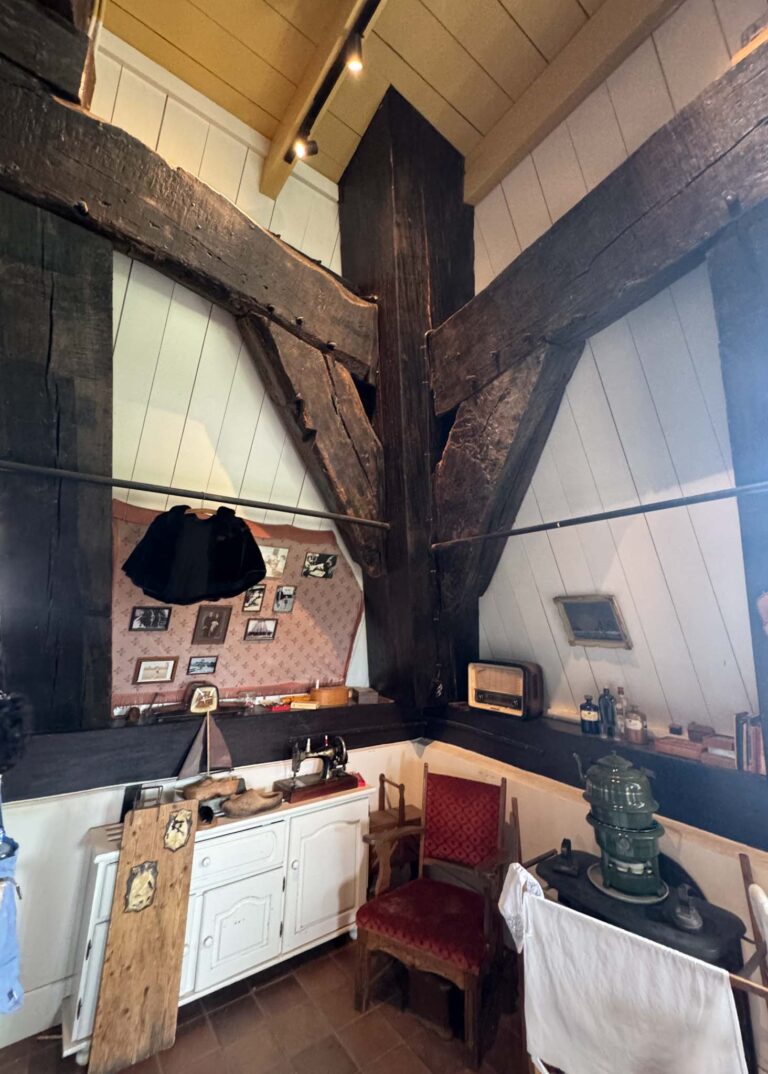
The whole family lived most of their time in this living room. In winter, it was the only heated room in the house. The stove kept food warm and heated the iron. There were Bible readings after the evening meal. Parents slept in a bedstead at the end of the room, with a small crib installed above their feet for babies. The older children shared upstairs.
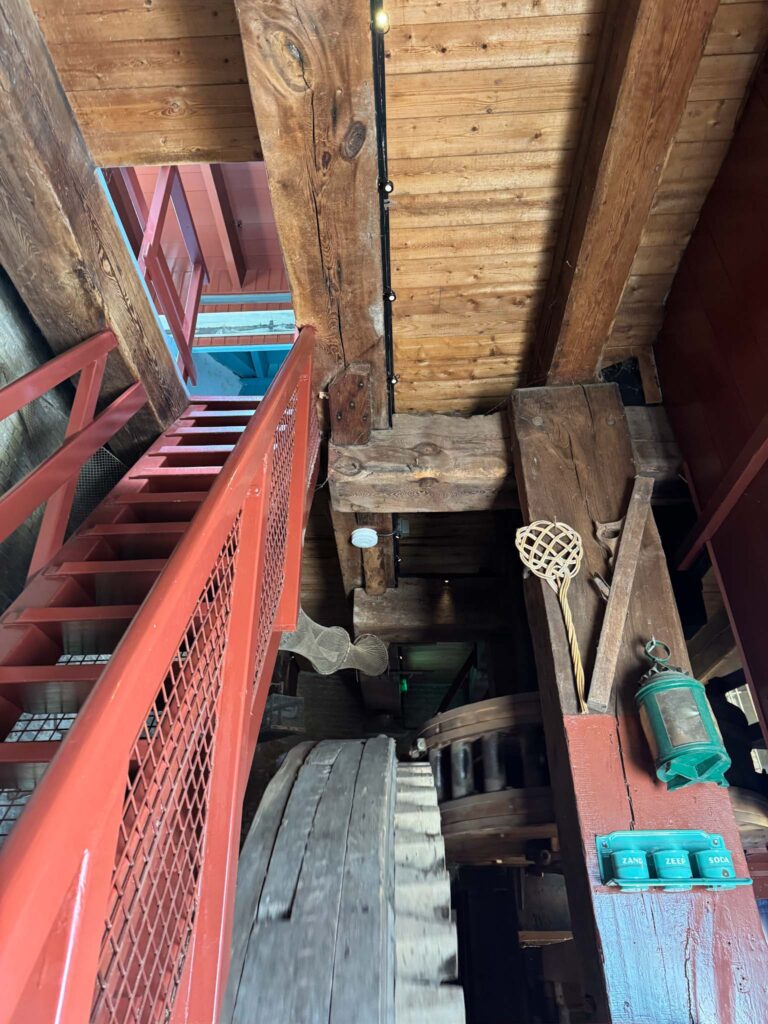
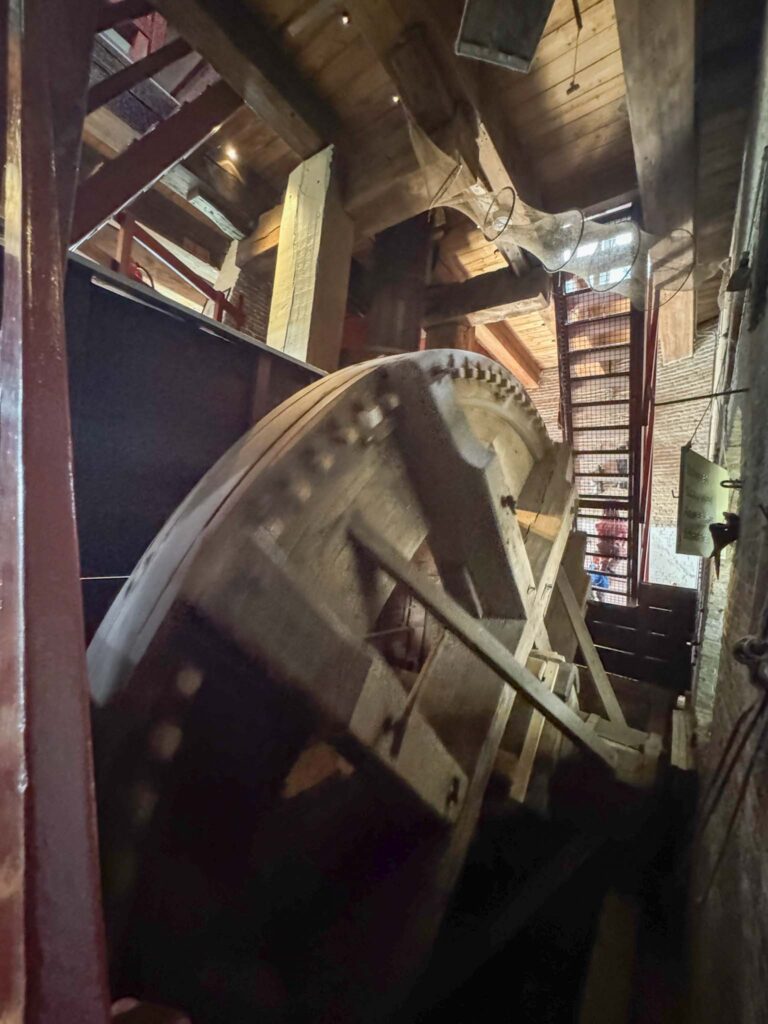
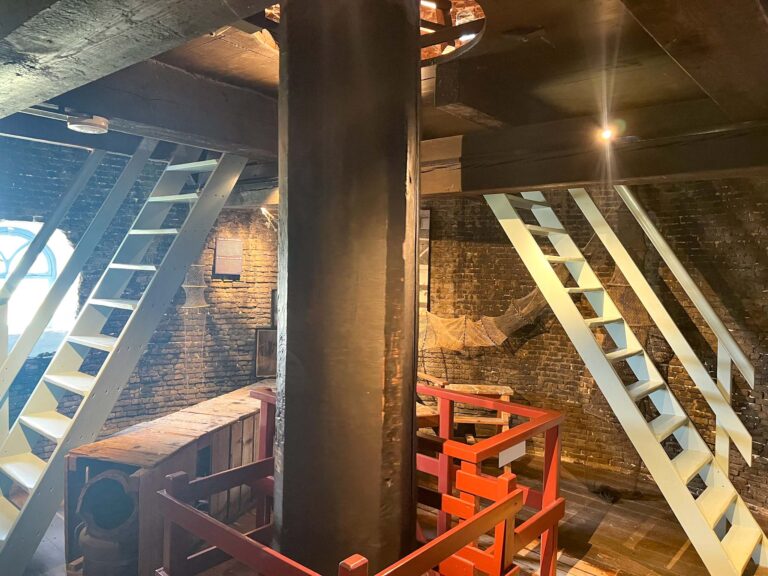
The mechanics and cogs that turned the arm ran through the center. The miller checked water levels the first thing each morning, and determined what must be done to keep balance. In storms, he must constantly be working to keep parts maintained. In slower times, he might stop the sails from rotating.
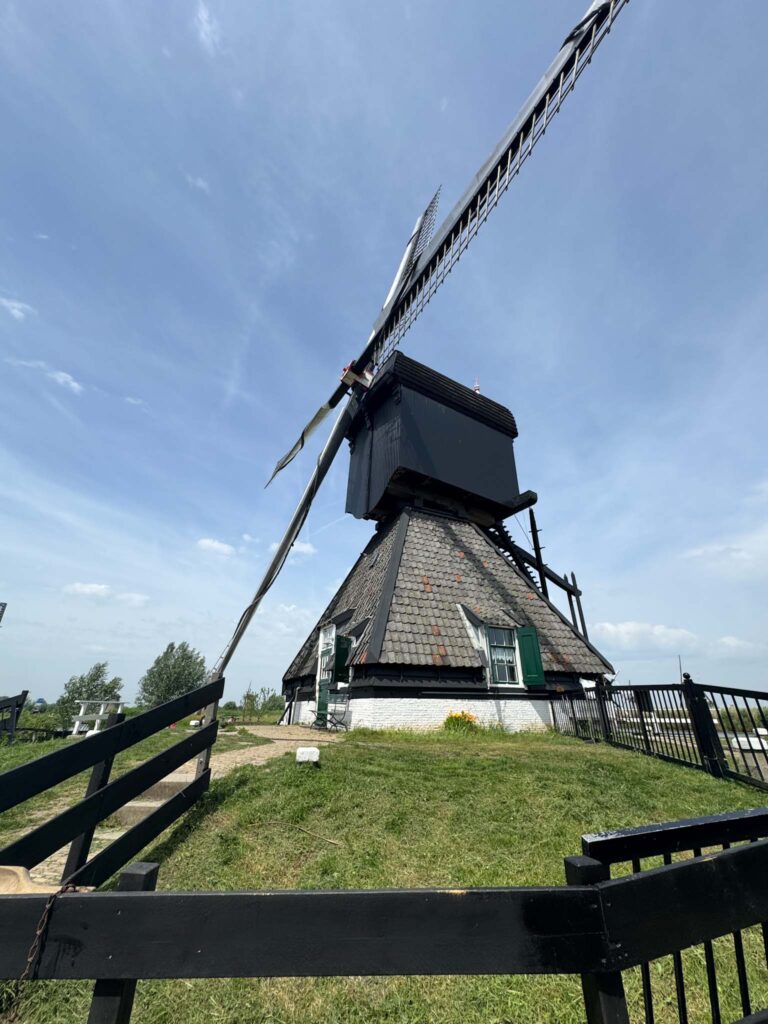
Because the sails reach so close to the ground, each of these windmills had two outside doors, one on each side. When the miller adjusted the sails position for optimum wind power, the door nearest the sails would be locked and the family would only use the door that was a safe distance from the sails. Sadly, there was a mistake made in the last century where the door was not locked and a resident was killed by the sail.
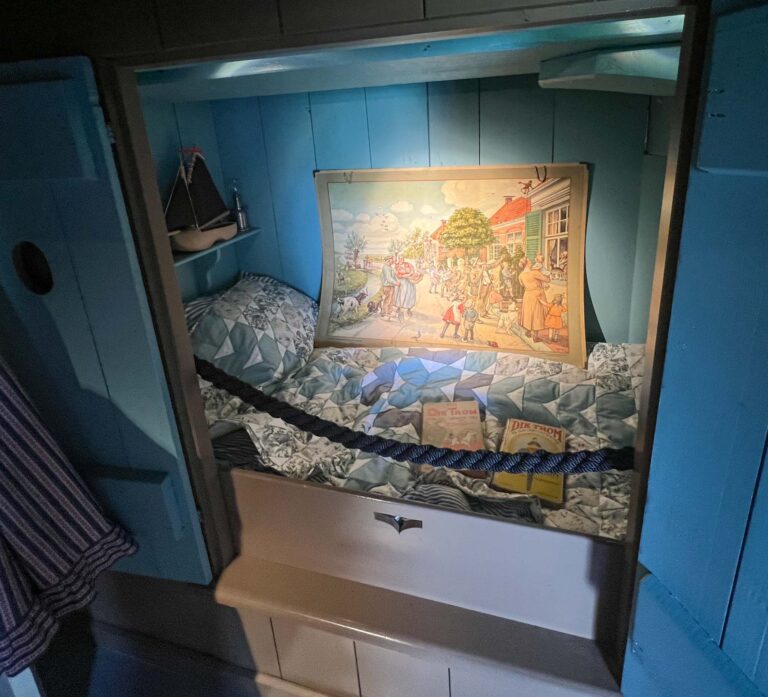
This bunk might be shared among several siblings.
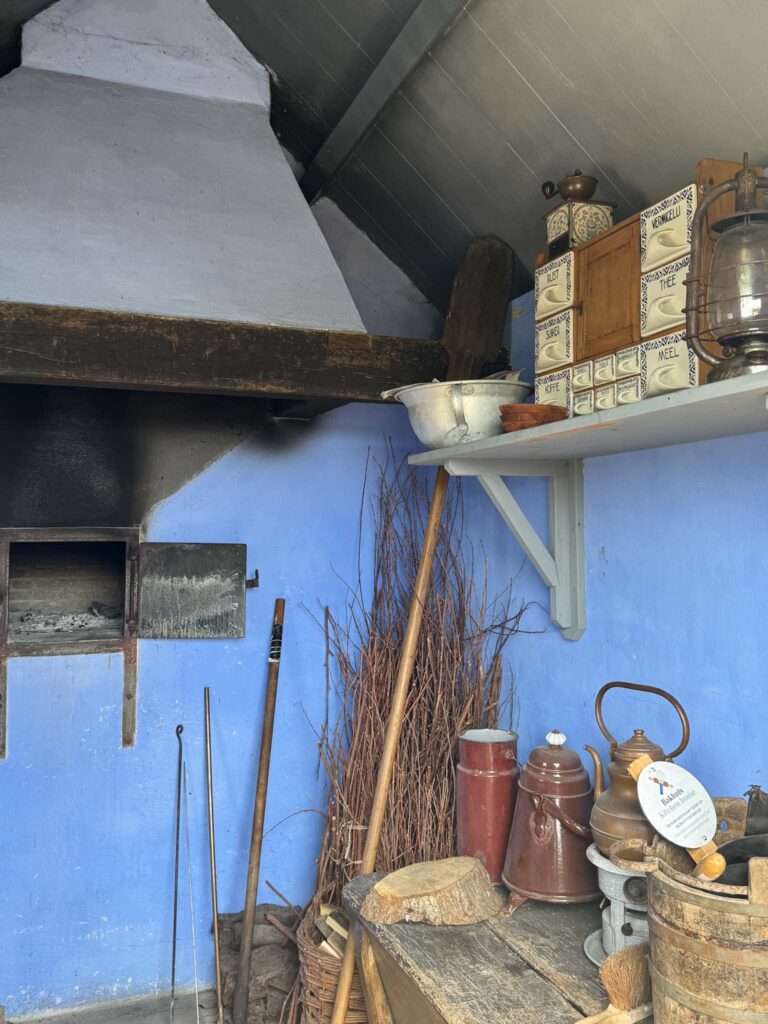
The bakehouse had to be situated a safe distance from the windmill to avoid fires. Windmills shared a bakehouse, providing bread to several families.
The interior of the Blokmeer Mill had similar living spaces. The shaft runs through the center of the windmill.
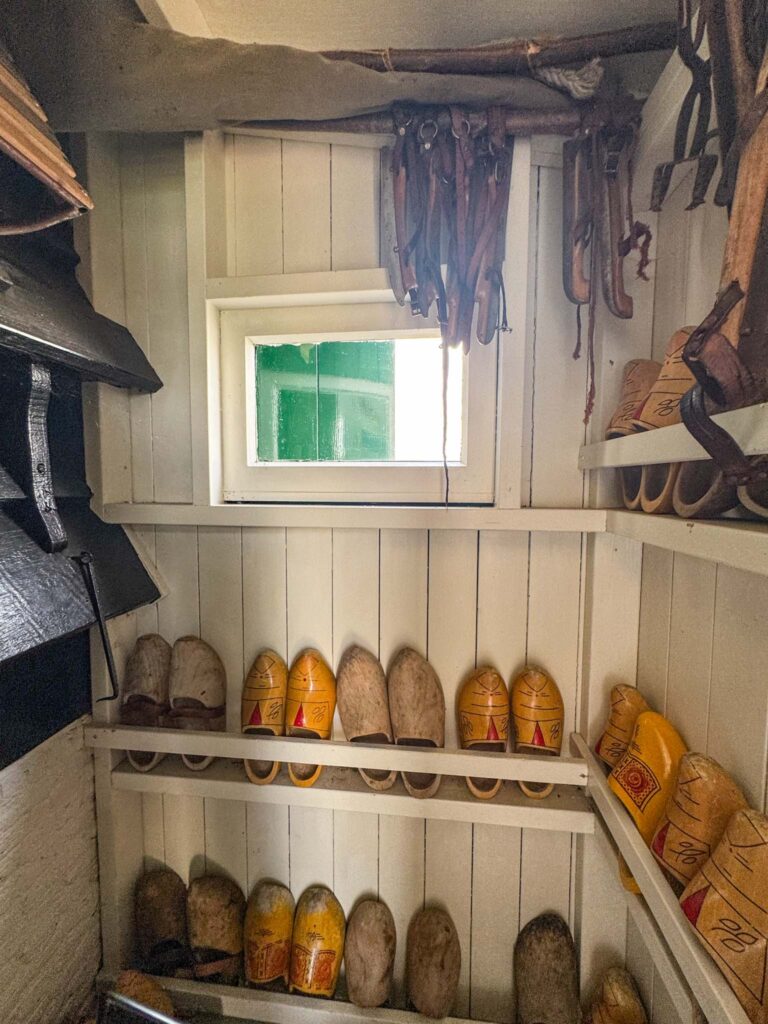
The family prepared for fun as well as work. Clogs are displayed here to keep feet dry in all weather. A sled is hanging in the upper left and skate blades are above the window. In winter, the canals freeze.
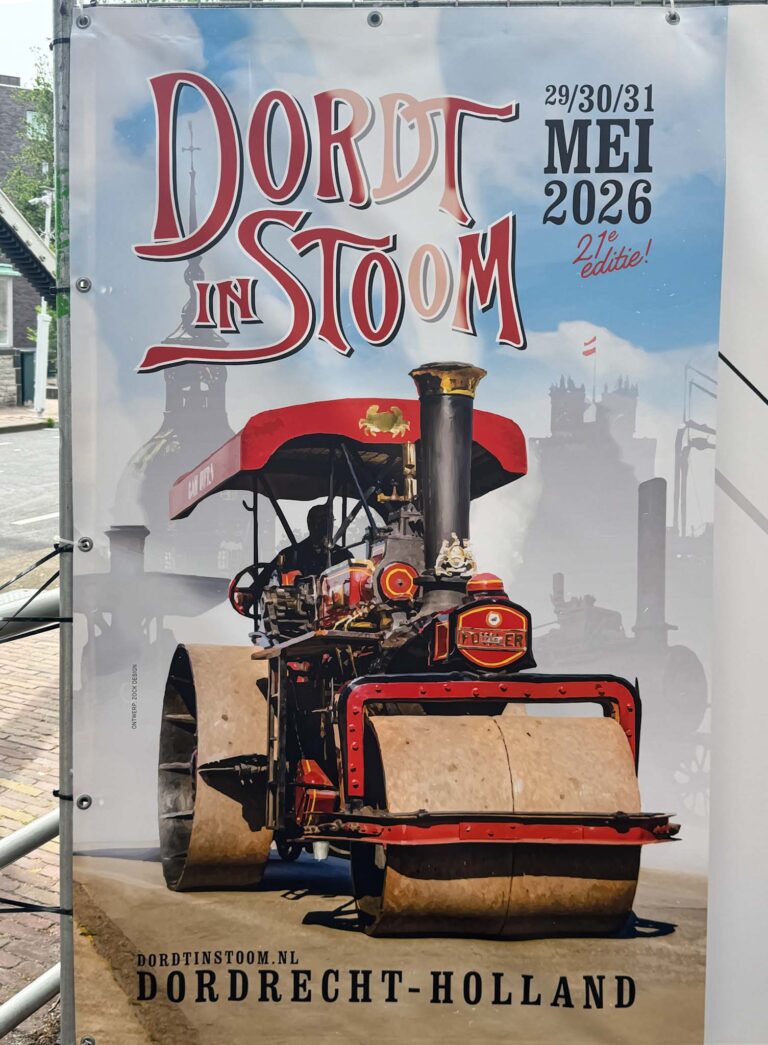
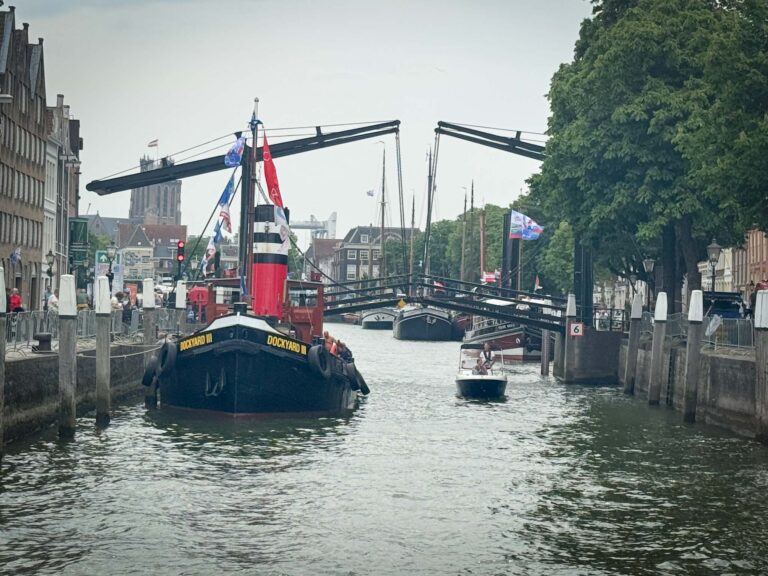
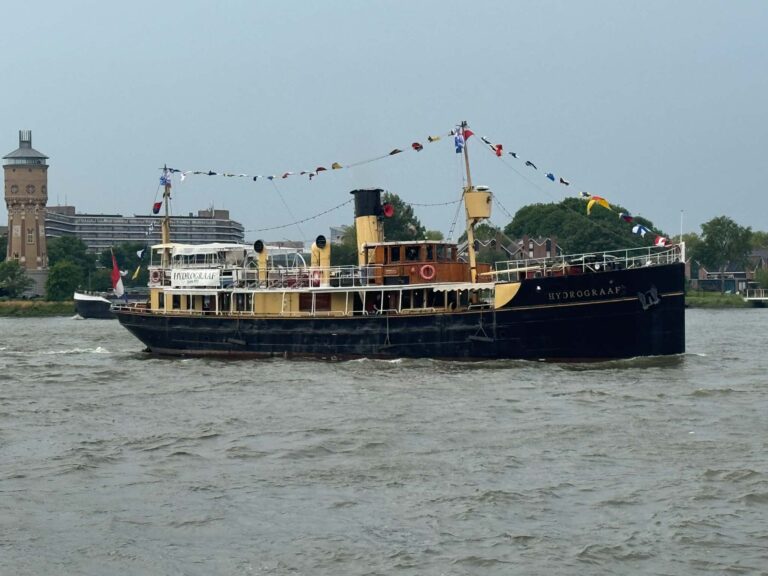
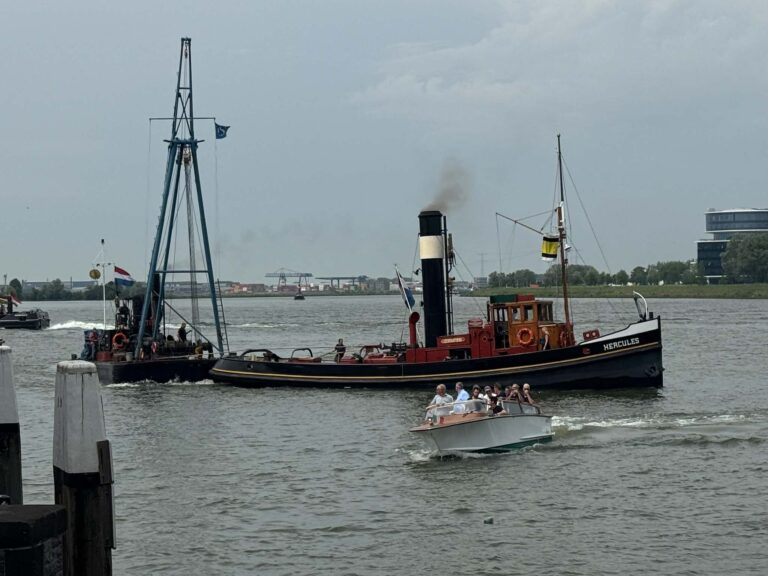
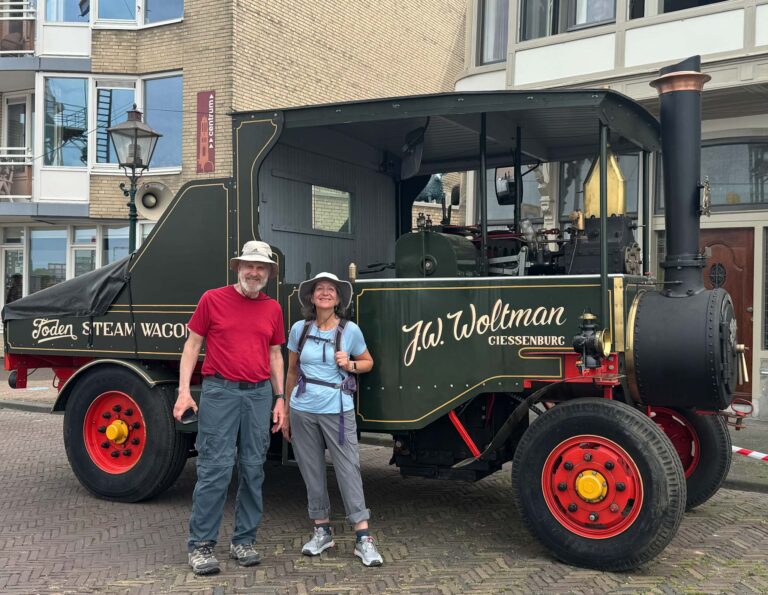
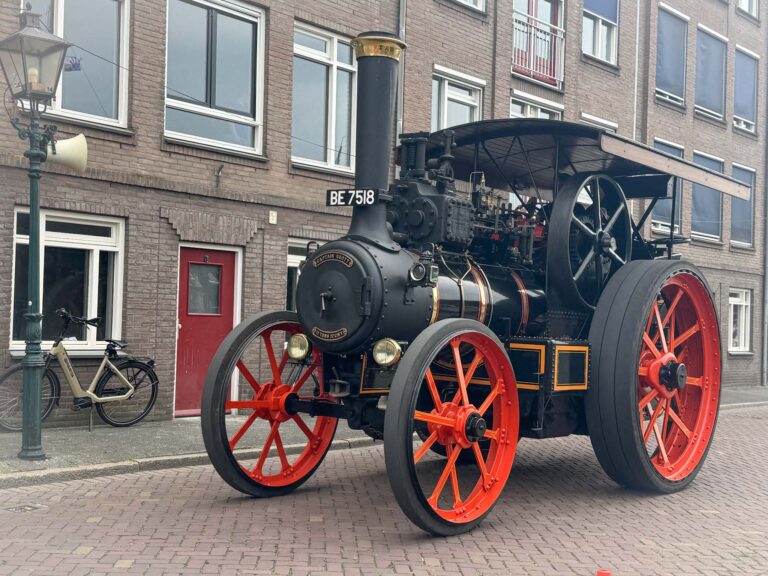
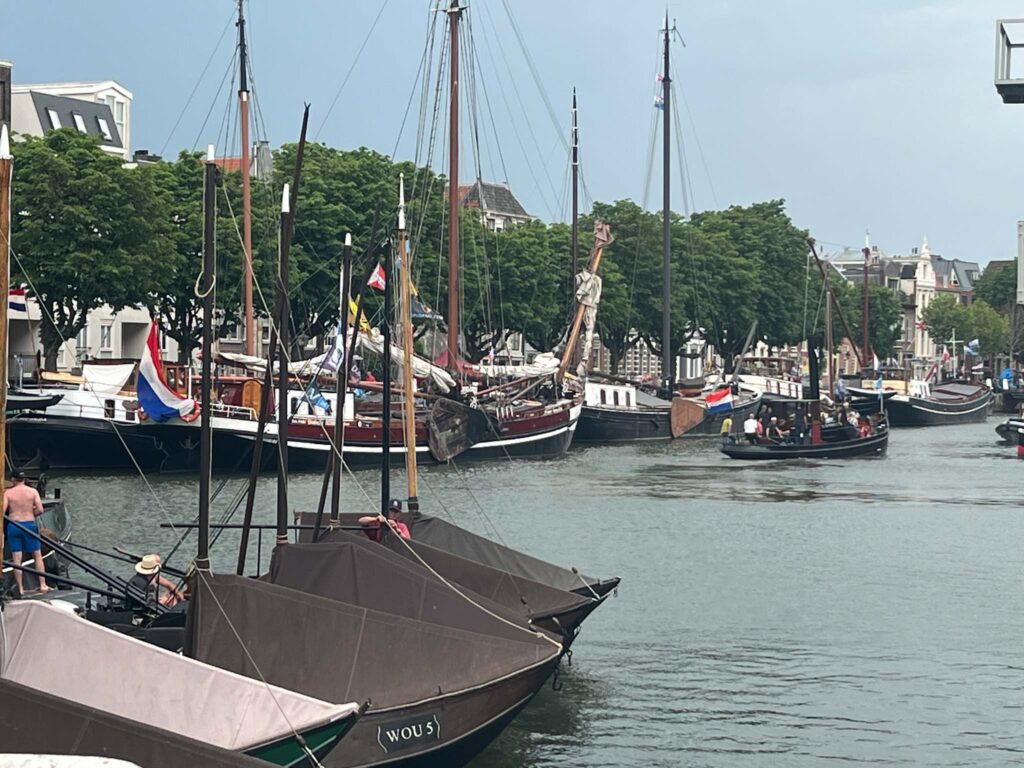
It took some planning to get to Dordrecht by public transportation, but we arrived Friday mid-afternoon to see some of the participants. We were too late to visit any churches, but there was excitement for the evening’s activities.
The harbor was full and residents ready, but the weather did not cooperate. We were unprepared for the rain, thunder, and lightning that arrived, so we decided to Uber back to the B&B before getting too wet.

7 Responses
Can’t imagine living in a windmill. As I remember from our visit that there was constant noise as the blades turned by the windows. Guess people got use to it. You are great scholars and take home so much knowledge with you along with the wonderful pictures.
Dan and Wendy
I agree that the blades make a sound, but the bigger idea for me is how dangerous they might be. I might not want to live all my life in a windmill, but it would be very interesting to live or visit for a while.
“The mill’s beard” made me chuckle, I love that nickname and the cute clogs!! Great pictures, mom! I hope you get to see that festival sounds amazing.
I agree that the name is a chuckle. The font for printing is also very important, and was different on each side of the canal. Such competition!
In my lifetime I never expected I would see the inside of a windmill. Thank you for allowing me to have the experience. Seeing these inside pictures is fascinating -I’m getting quite an education, so thank you for taking me with you!
It was very interesting for me to see how folks lived in the past and see how many folks were still at work while living in windmills even now. The Dutch really value so many elements of their culture!
Your capture of Kinderdijk and Dortrecht is terrific. I loved the RELIVE video of your day.
Thank you much. (btw, Richard, do you, generally, keep the RELIVE sound off? I’d not considered doing
that on my RELIVES, but can see how the quiet has its place for sure.)