
Our visit to the vain and Space Museum was not meant to cover everything, but our friend Matteo used references here in his doctoral thesis so it was worth a visit. Richard’s ReLive video covers much of the facts, and hopefully my blog adds some human interest as well. Richard’s ReLive video is here: https://www.relive.com/view/vYvrzMne4Lv
4.40 miles, cloudy, 59 degrees, humidity 76%.
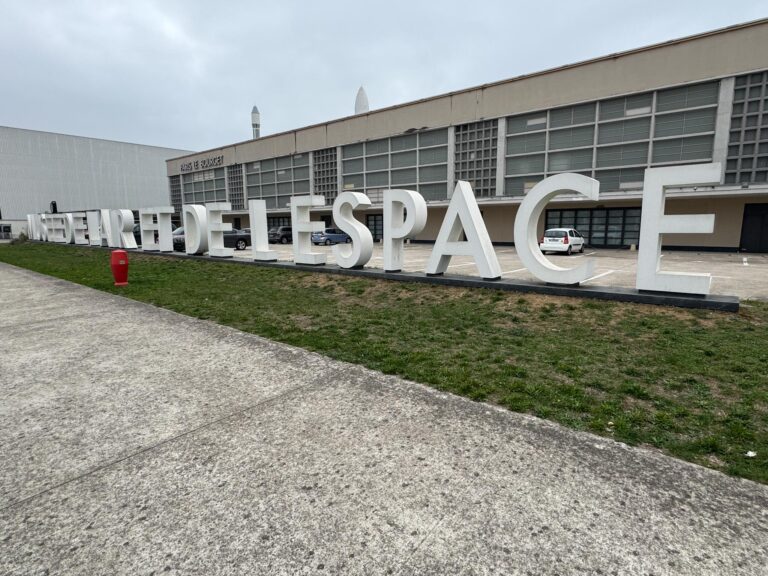
The Air and Space Museum is near the Le Bourget Airport in northeast Paris.
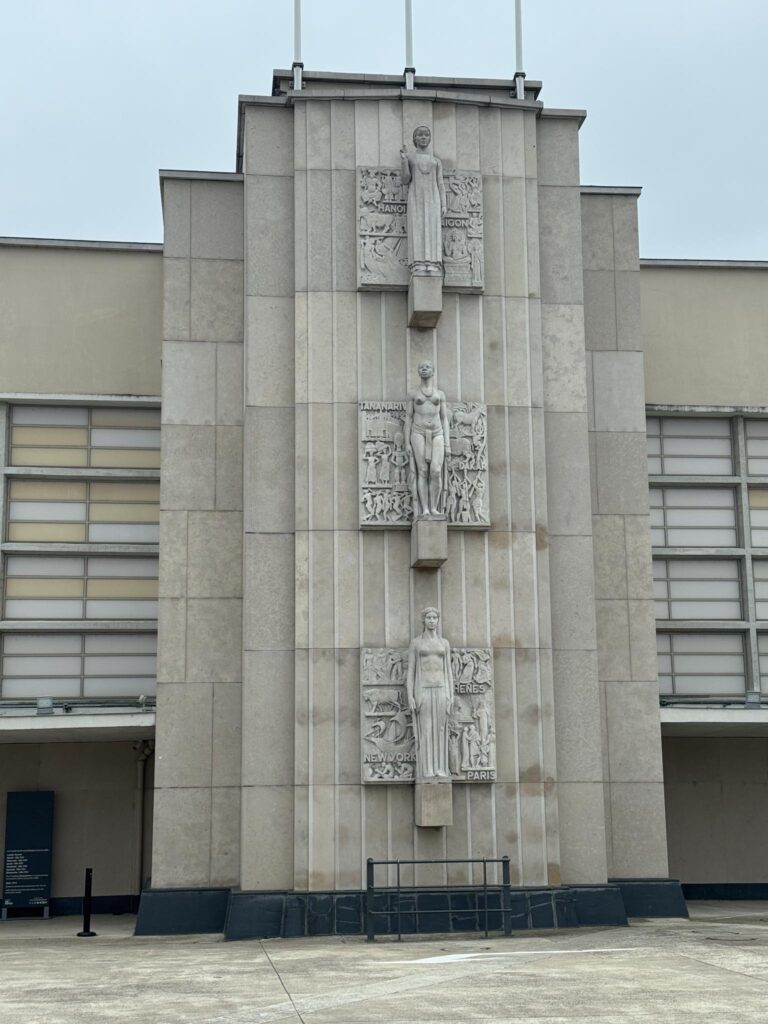
Le Bourget airport was a commercial aviation airport from the 1930s to 1970s and was replaced in that capacity by Orly and Charles-de-Gaulle. The museum started to take over unused buildings, and has been renovating some, keeping the art Deco styling.
Man has always been interested in flying, from mythology of Icarus to flight using bird wings. Leonardo Da Vinci designed several flying machines in his study of flight.
When balloon flights were successful in 1783, it became a real social phenomenon that spread all over France.
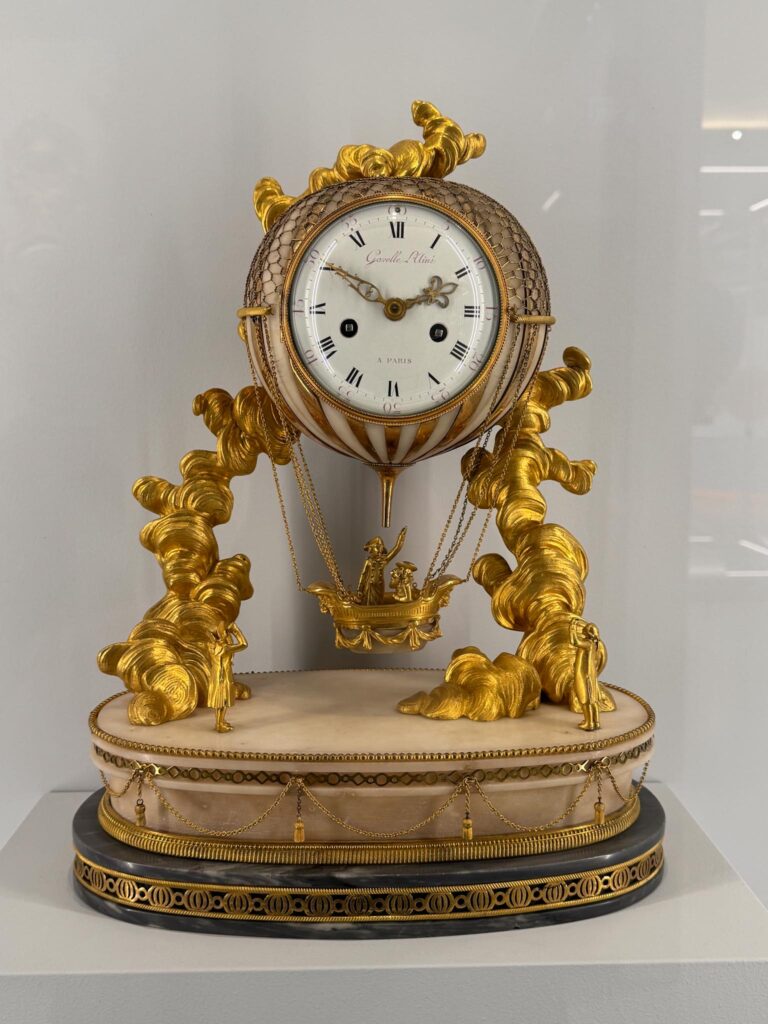
Balloon madness reached every class of society. Paintings, juewelry, snuffboxes, crockery, fabrics and furniture were decorated with the phenomenon. Even clothing styles like balloon sleeves became popular. The exploits of aeronautics were more commonplace and firmly in the public’s imagination.
Balloons played a part in the 1870 Prussian Siege of Paris. Bacar, a photographer, journalist, and promoter of aerial navigation, installed a balloon on the hill of Montmarte to observe the enemy. When the siege ended, balloons and aeronautics were part of the collective memory.
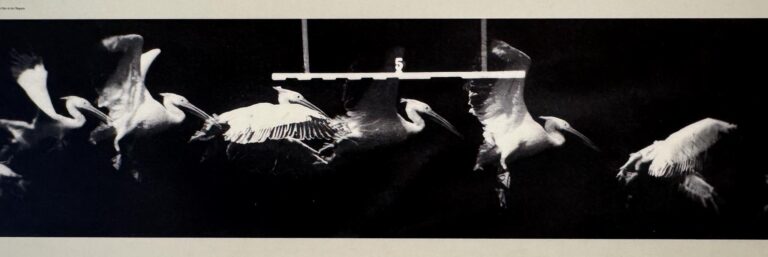
The studies of bird movement allowed the distinction between flapping and gliding. In 1882, physiologist Etienne-Jules Marey invented a chronophotographic rifle capable of breaking down movements into successive images.
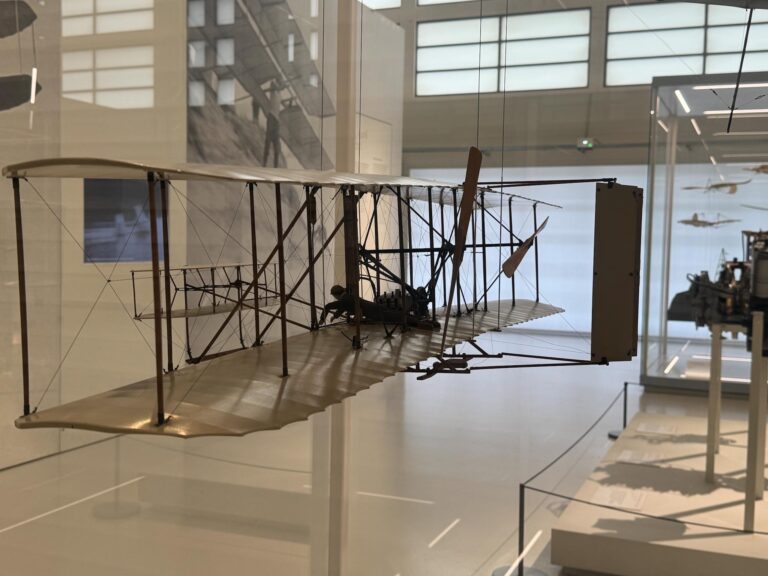
At the beginning of the 20th century, experiments in heavier-than-air gliders were having some success. The Wright brothers were experimenting in a systematic manner in America that allowed them to resolve the issue of how to control machines in flight.
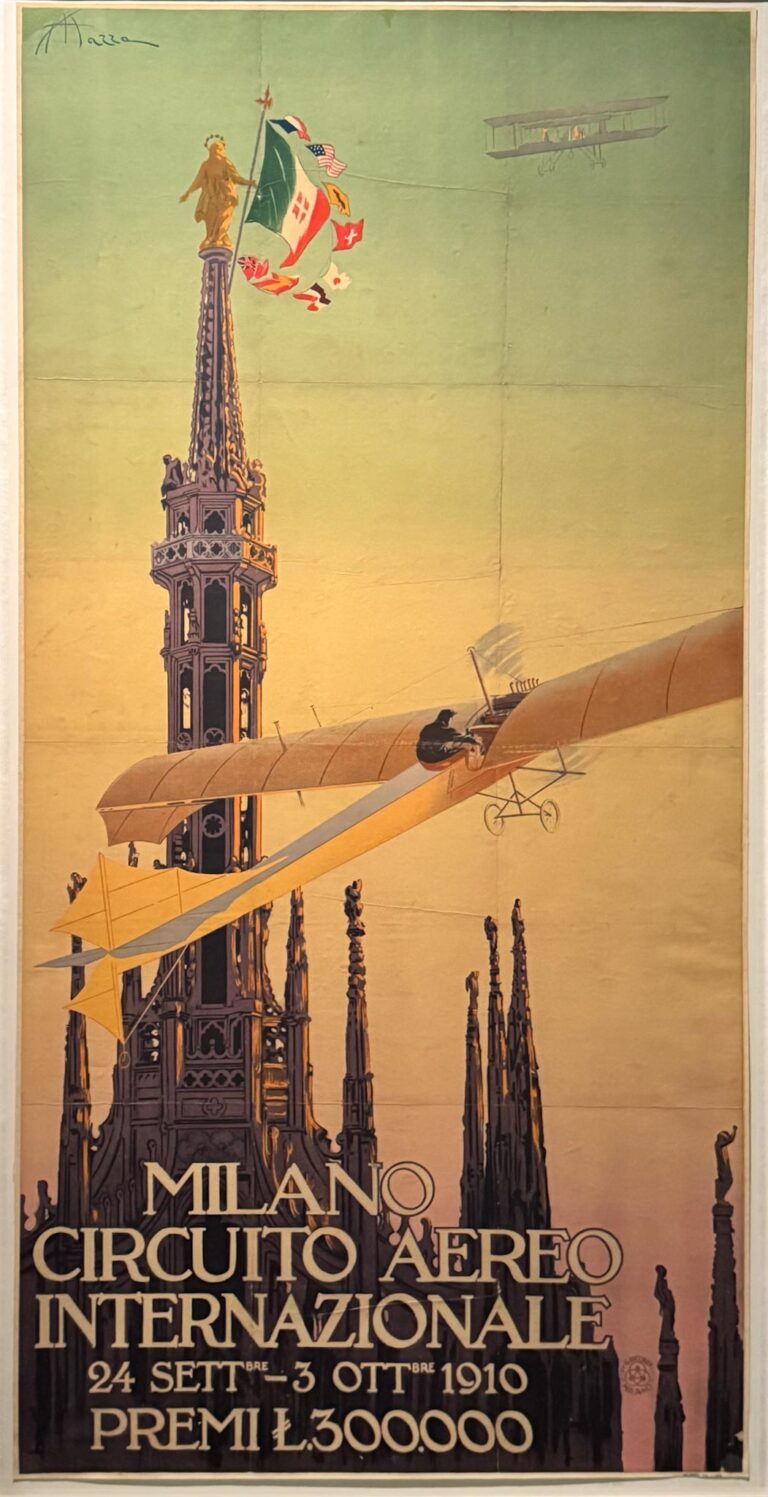
The emergence of a society of entertainment and images helped fuel the excitement of flying. Advertising took over walls and fences with posters showing the latest technology and contests. The increasing number of images encouraged the development of a mass culture available to the greatest number of people.
Aviation was establishing itself as a speed and mechanical sport. From 1910 onwards, air shows, races, and competitions, sometimes with prize money, kept aviation popularity alive.
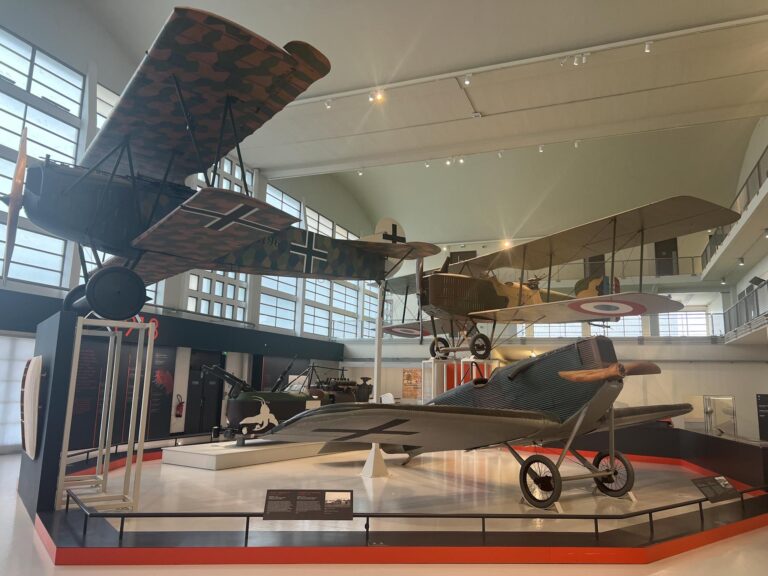
The Great War convinced French general staff that the army could not make significant advantage on the ground without air superiority.
This war was the last to be fought on foot and horseback. After the Allied offensives of 1918, a new era of war was supported by long-range artillery, tanks, radio and aircraft. The power of engines between 1914 and 1918 increased from 50 to 300 hp.
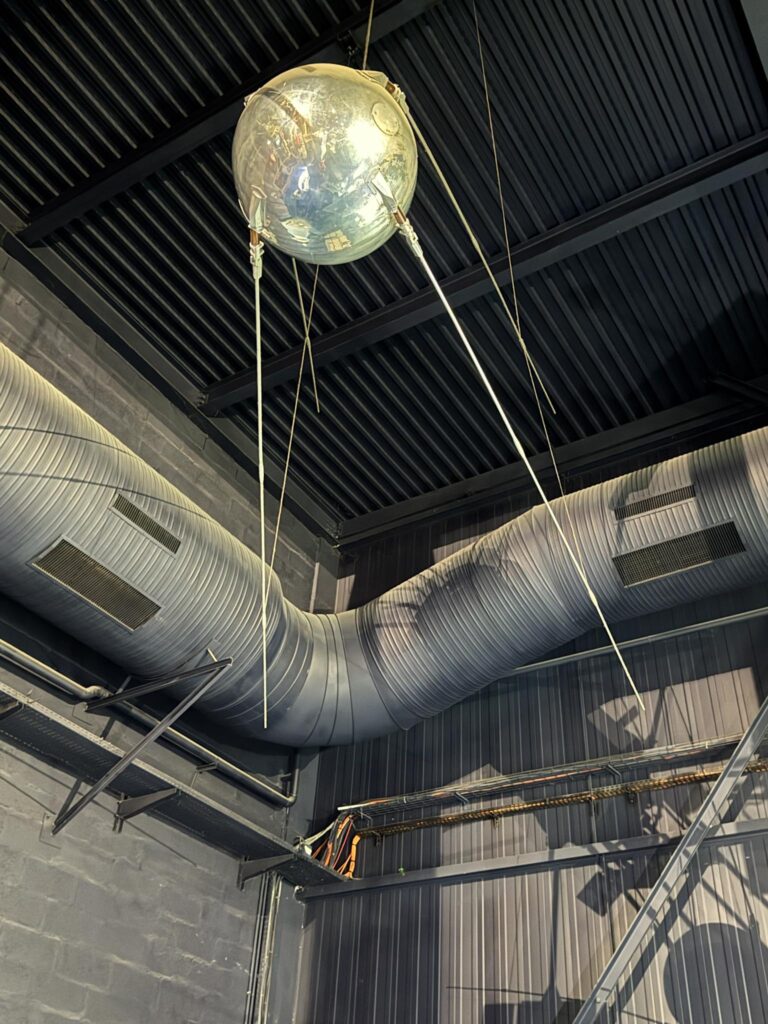
After WWII, work on rockets intensified in Russia, the United States, and France. In 1954, the scientific community decided on a program to study atmosphere and outer space. The US prepared a small satellite announced to be launched by a US Navy Vanguard rocket near the end of 1957.
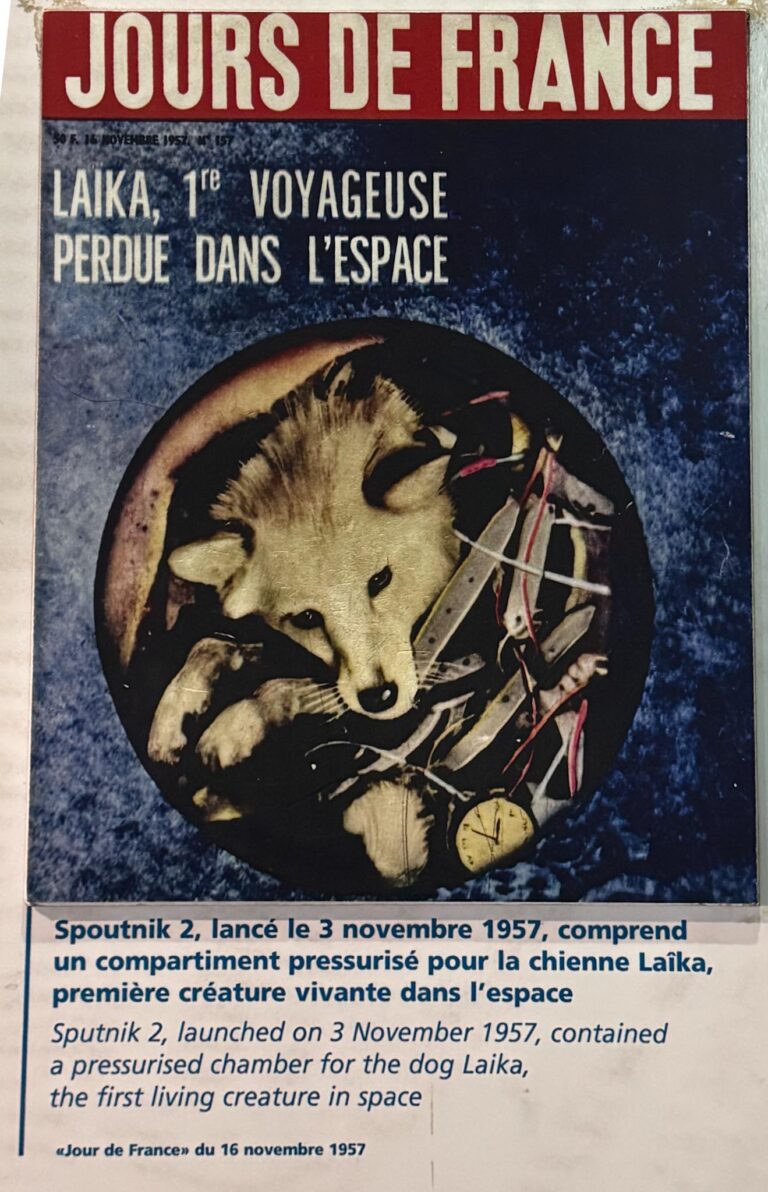
Russia took the world by surprise by launching Sputnik I October 4, 1957. Sputnik performed 1400 revolutions over 92 days.and signaled “beep beep” that could be heard on earth. It allowed the Semiorka rocket to be tested and the computing relating to the orbiting of an artificial satellite to be validated.
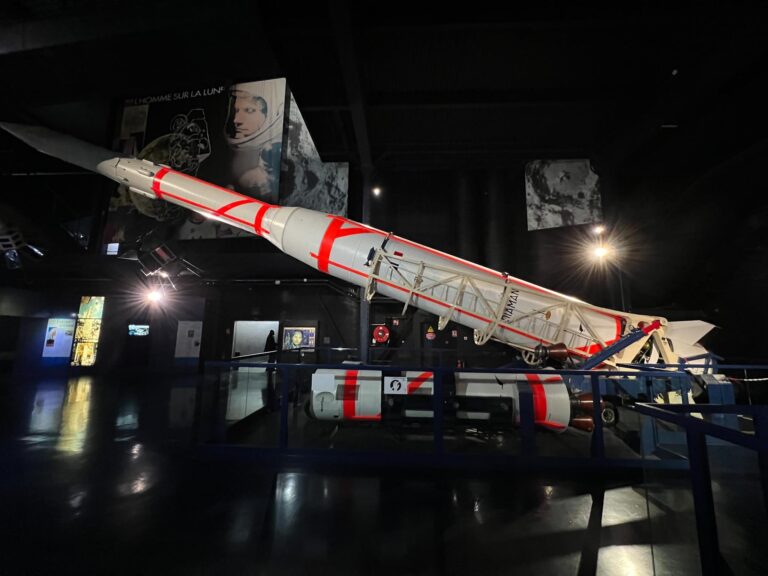
In 1955, the French government was able to launch their Diamonte rocket A1, adding them to the group of nations launching rockets into space. Within 10 years, this allowed the launch techniques to be tested thus enabling the success of Ariane European rockets.
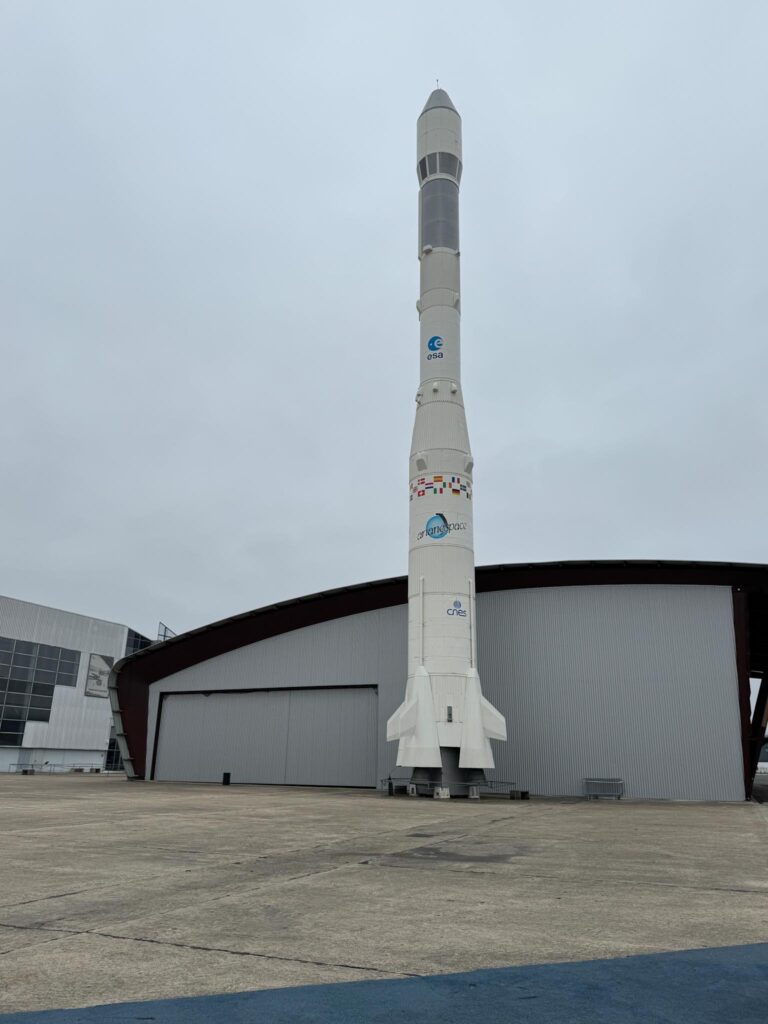
The Ariane program was started in 1973 by the European Space Agency to enable European nations to put their own satellites in orbit without having to depend on other space powers to do it. Ariane I was designed and built by CNES, the French space agency, on behalf of the European Space Agency.
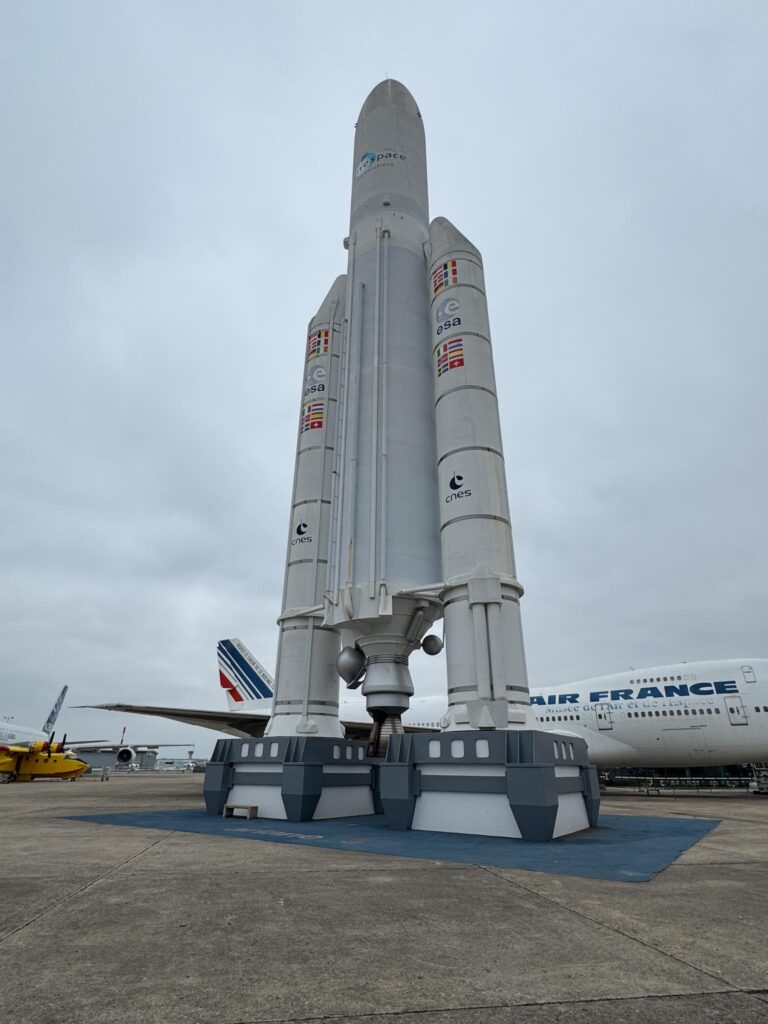
The Ariane 5 rocket has been providing Europe with access to space since 1996. It has deployed the most satellites in the Galileo navigation constellation, as well as the European ATV freighters responsible for refueling refueling the space station. It launched the Rosetta probe to the comet Tchouri, the BepiColombo mission to explore Mercury, and JUICE, Europe’s first mission to the moons of Jupiter. Finally, the Ariane 5 was selected to put NASA’s James Webb telescope into orbit, the most powerful telescope ever sent into space.
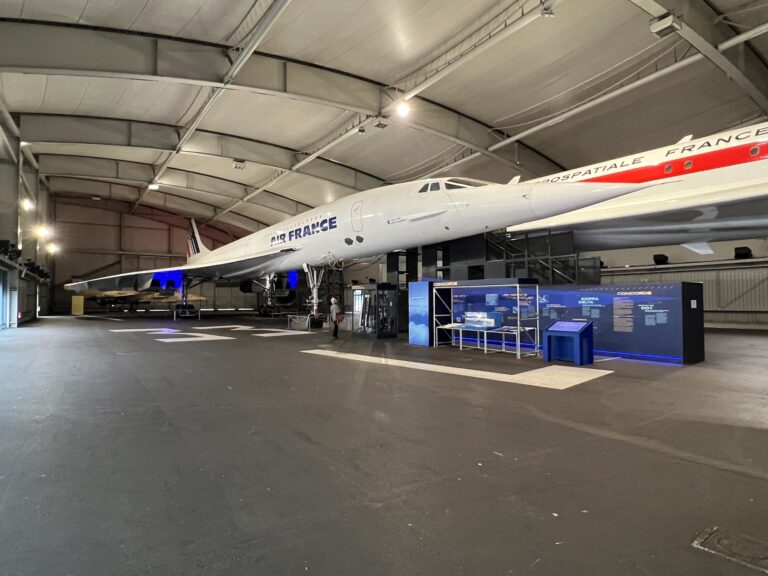
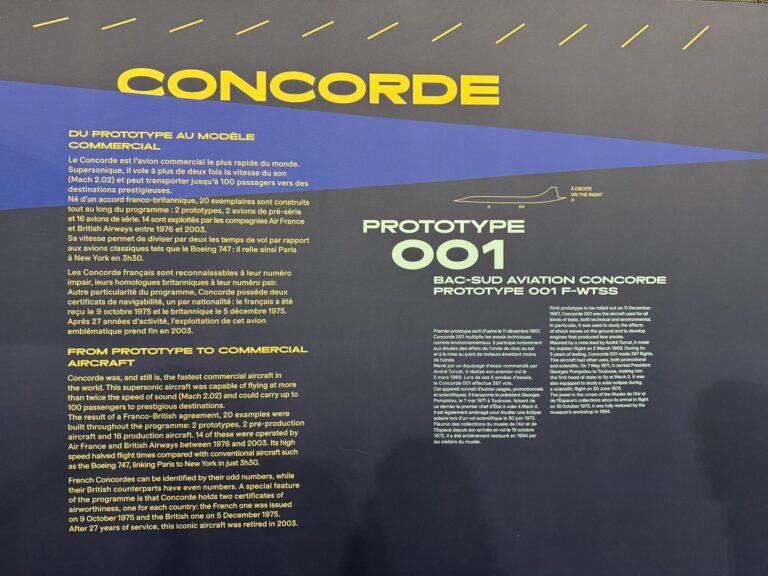
In a joint project between France and Great Britain, the Concorde was launched. Although they are no longer flying, they were the first aircraft to fly at more than twice the speed of sound.
4 Responses
Thanks for the history on “flying.” You have made this trip so much more than just enjoying the scenery. You both should become Road Scholar tour directors. Dan
We’re just curious. I enjoyed our visit to the Air And Space Museum in Virginia, so when Matteo suggested this sight, we were glad of the view from a European perspective. Out-of-the-way places are fun, and most of the visitors were school groups having a great time.
Thank you for inviting us to share your experience through your website. Shannon and I eagerly look for a new posting each evening. While you are in Paris, are you going to be able to go to St. Denis, which is a short train ride north of Paris? It is the site of the first gothic cathedral and is where Marie Antoinette and King Louis XVI are buried. It is a lovely cathedral. Love to you both.
Thanks for following us. We have been very busy so far around Paris (thus we’re behind blogging) but St. Denis is a favorite from another Paris trip and worth a repeat. We’re booked except out last two days, so I hope we get a chance to see it again.