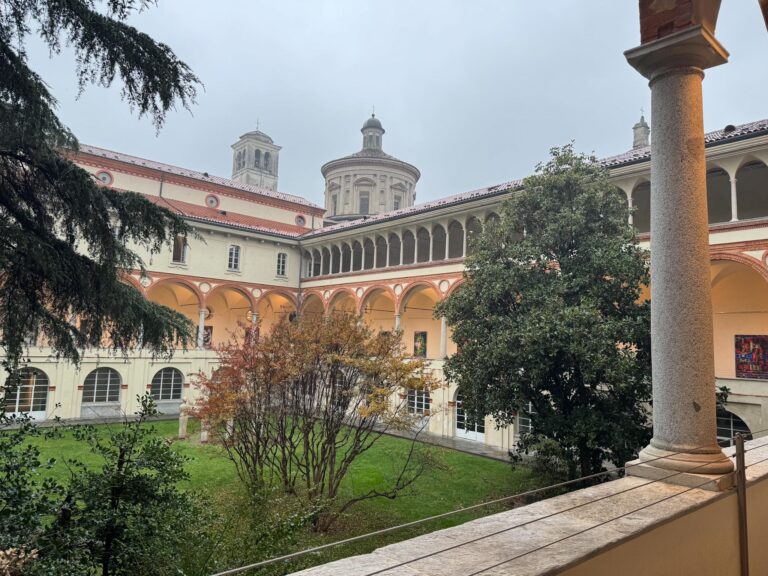
The museum is housed in the ancient monastery of San Vittore al Corpo, dating back to the Roman Age.
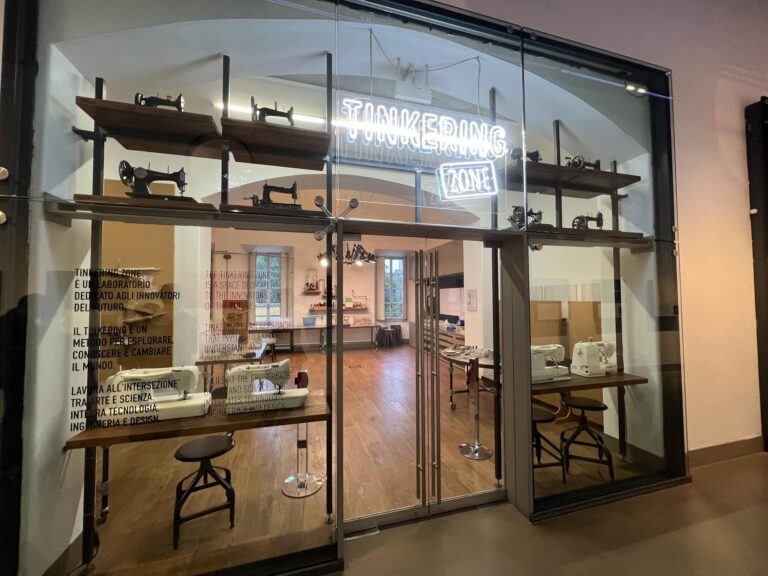
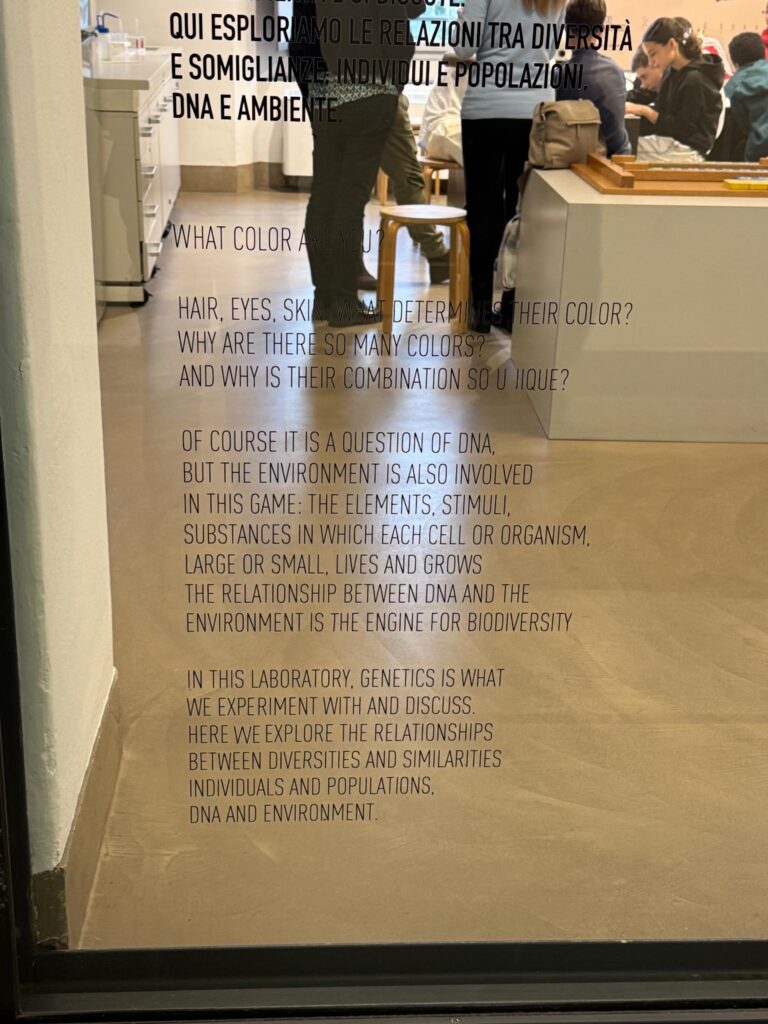
In addition to displays, the museum has classrooms and open lab areas like this Tinkering Zone.
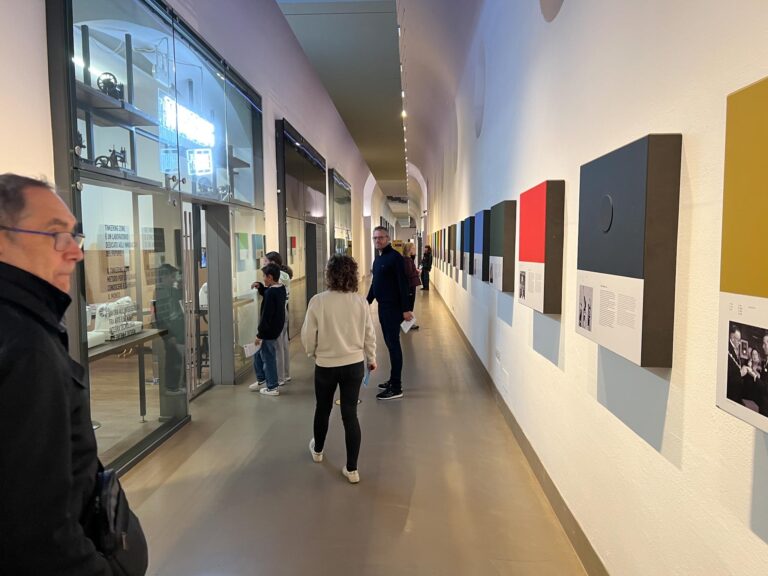
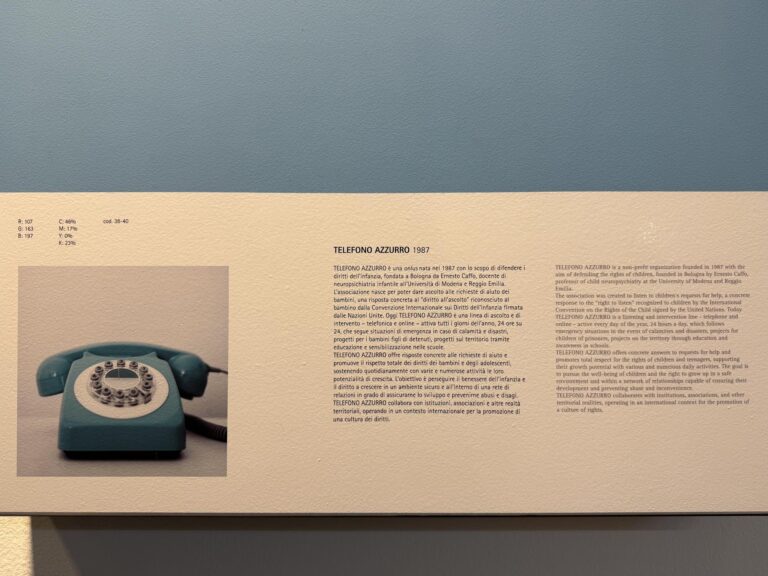
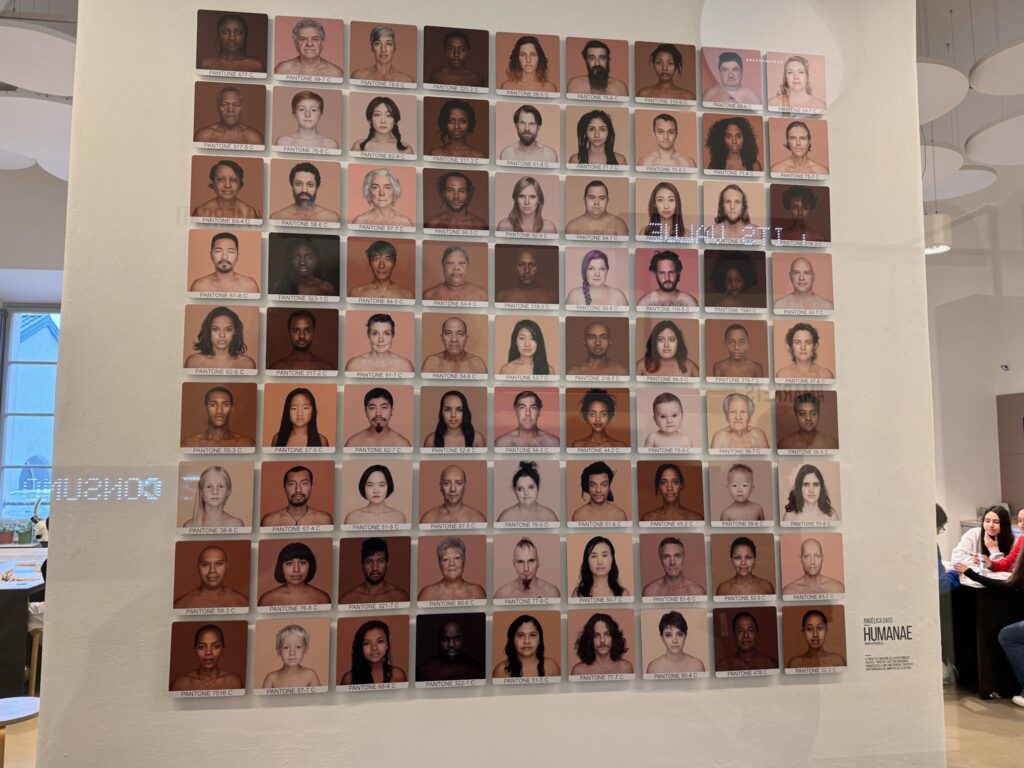
This was an interesting exhibit showing 25 different colors and how we associate them with events or activities.
Other examples were silver economy, red army, Black Friday, blue chips, etc.
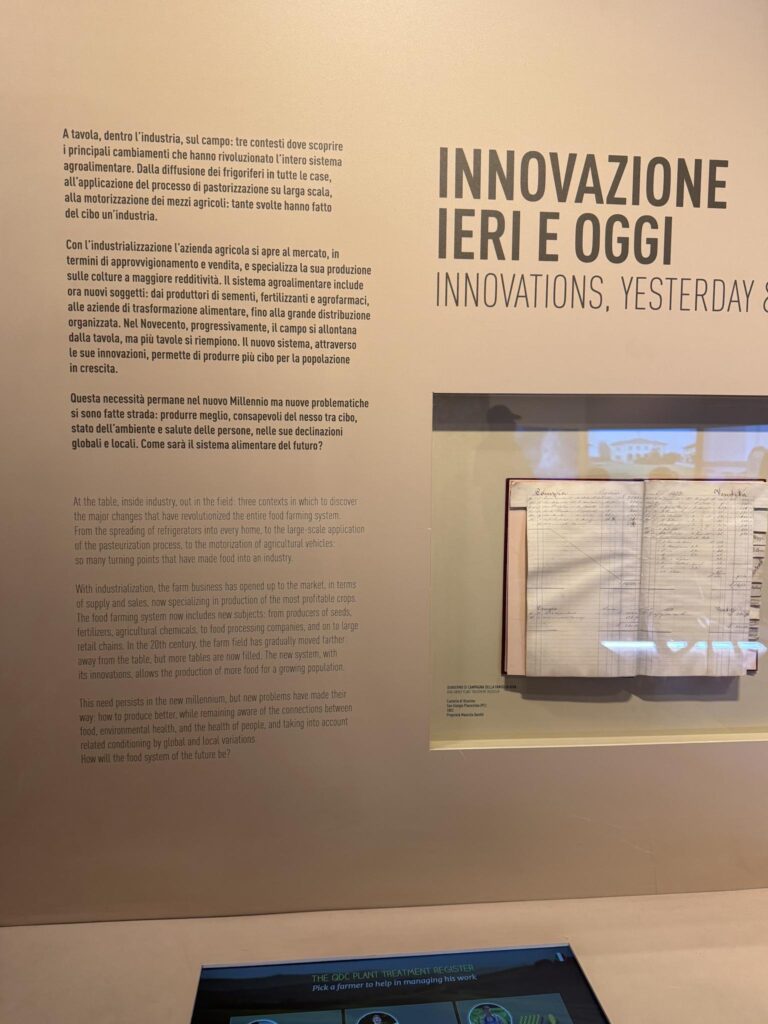
There was an exhibit about changes in food (innovations yesterday and today) that encompassed technology, habits, and even genetics.
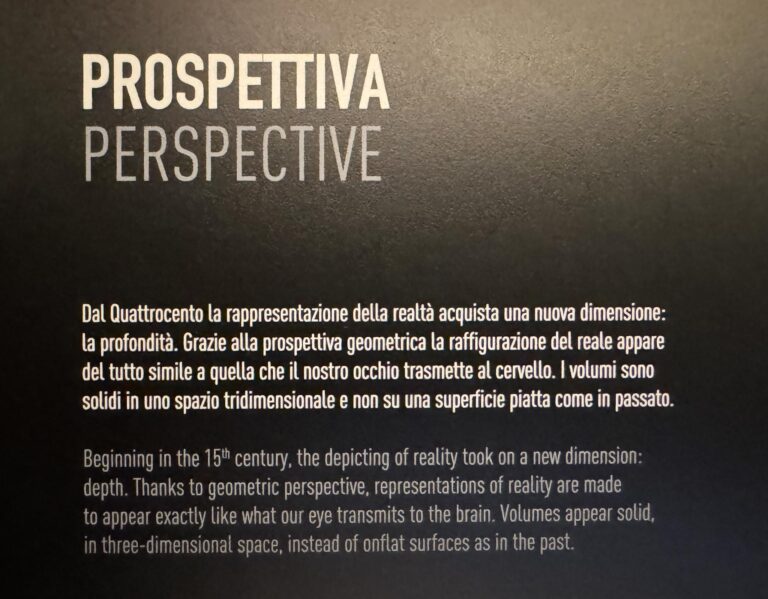
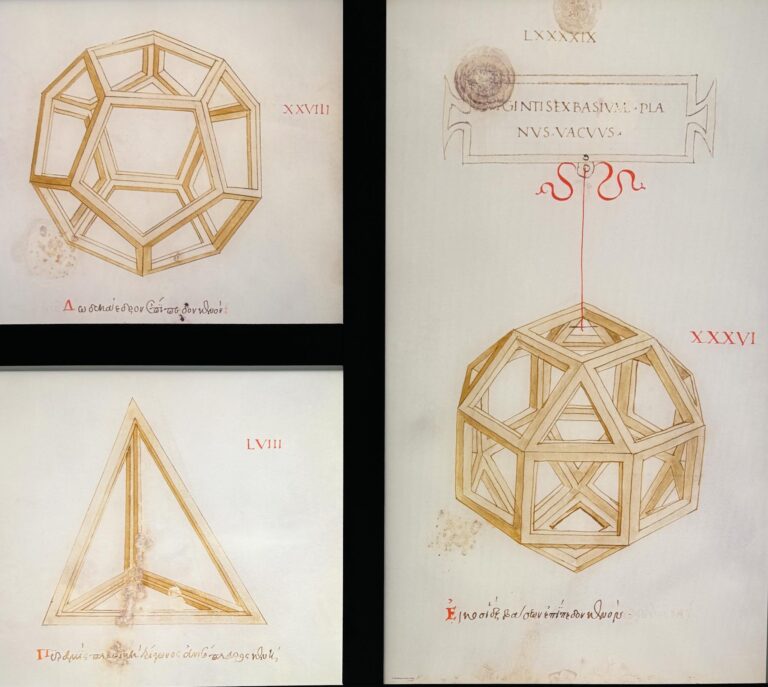
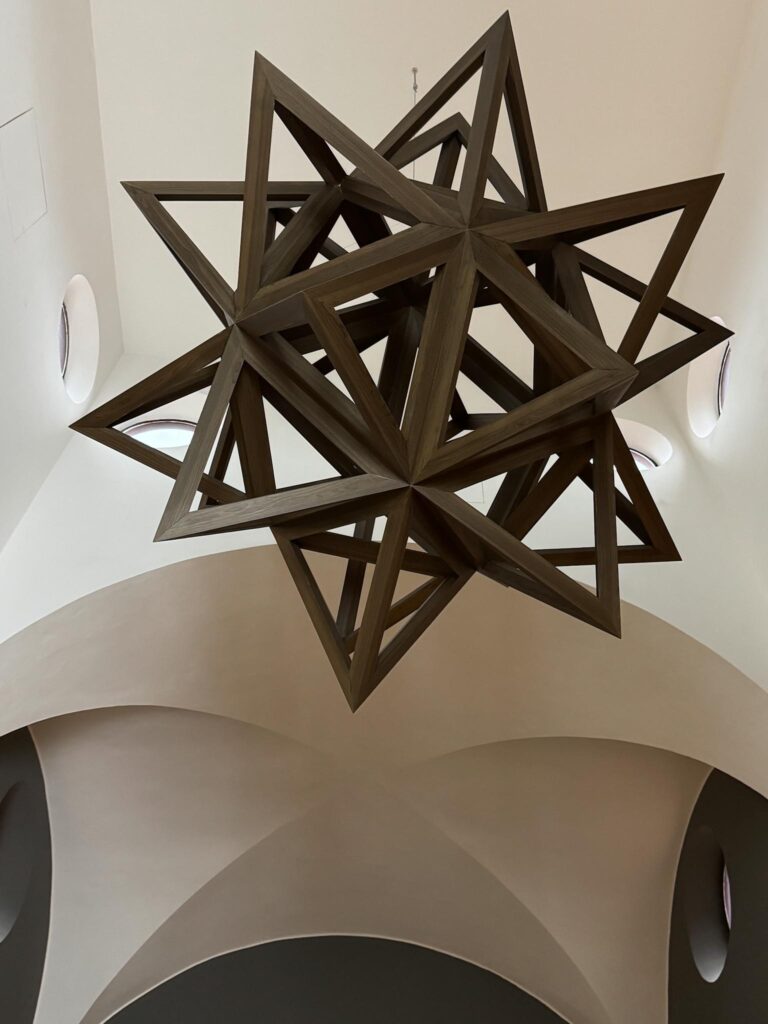
Leonardo’s friend, Luca Pacioli, analyzed solids written about by Plato, and involved his friend Leonardo in drawing as a means of demonstrating the principles. Leonardo drew the polyhedra that became a milestone in the perspective of solids.
This hollow elevated icosahedron has been chosen as the symbol of the Leonardo Galleries in the museum. It is one of the solids that Leonardo drew in Milan for “De divina proportione”, the treatise by his friend Luca Pacioli, a Tuscan mathematician.
This solid speaks of mathematics, philosophy, geometry, drawing and perspective, and reflects the confluence of knowledge expressed by Renaissance culture.
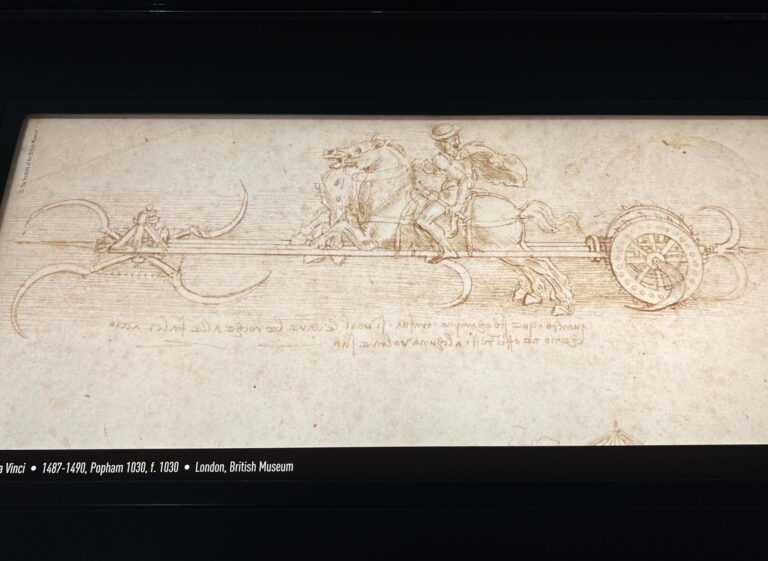
Leonardo presented himself to the Duke of Milan, Sforza, upon his arrival to Milan in 1482. He offered his services as a military engineer, although at the time he had very little experience of military art. He studied the classic authors to teach himself and then created drawings of fantastic war machines with his imagination.
After 1490, he went further investigating ballistics and physics. He studied parabolic trajectories of projectiles, tracing their paths and sure strokes.
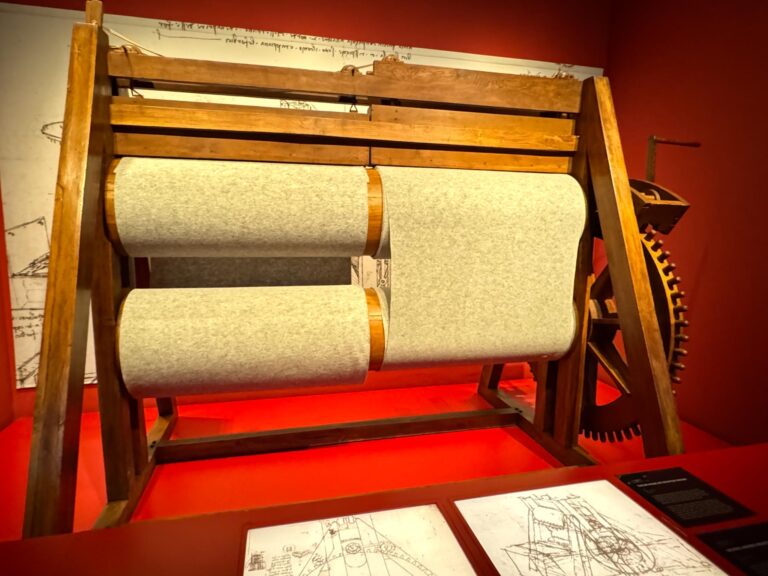
Leonardo studied some of the local industries and made tools to enhance the economy. Weaving and cloth making were labor-intensive, so this machine allowed multiple bolts to be beat and stretched to merge the fibers into cloth.
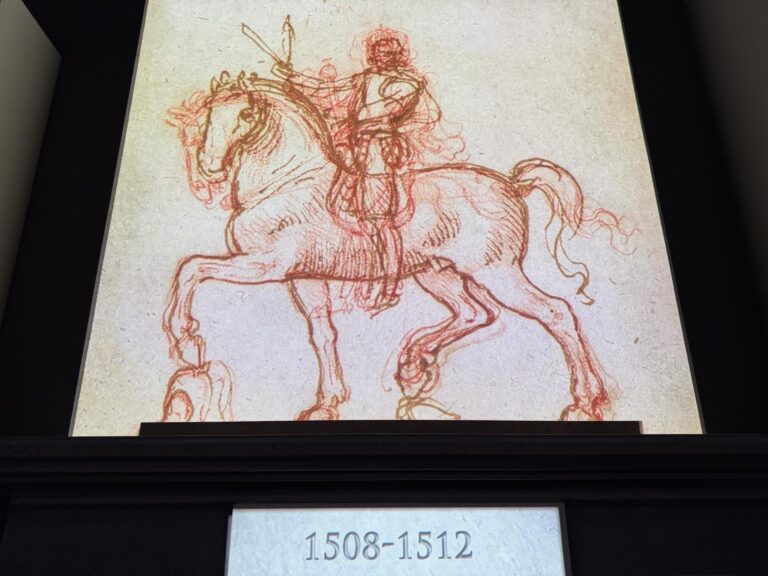
Leonardo proposed to make the equestrian monument for Francesco Sforza. Initially he was in competition with another artist, and both showed the horse rearing. However, Leonardo modified the drawing several times both for the rider and horse to optimize weight distribution, finally determining that the great size and weight make the rearing charger pose impossible.
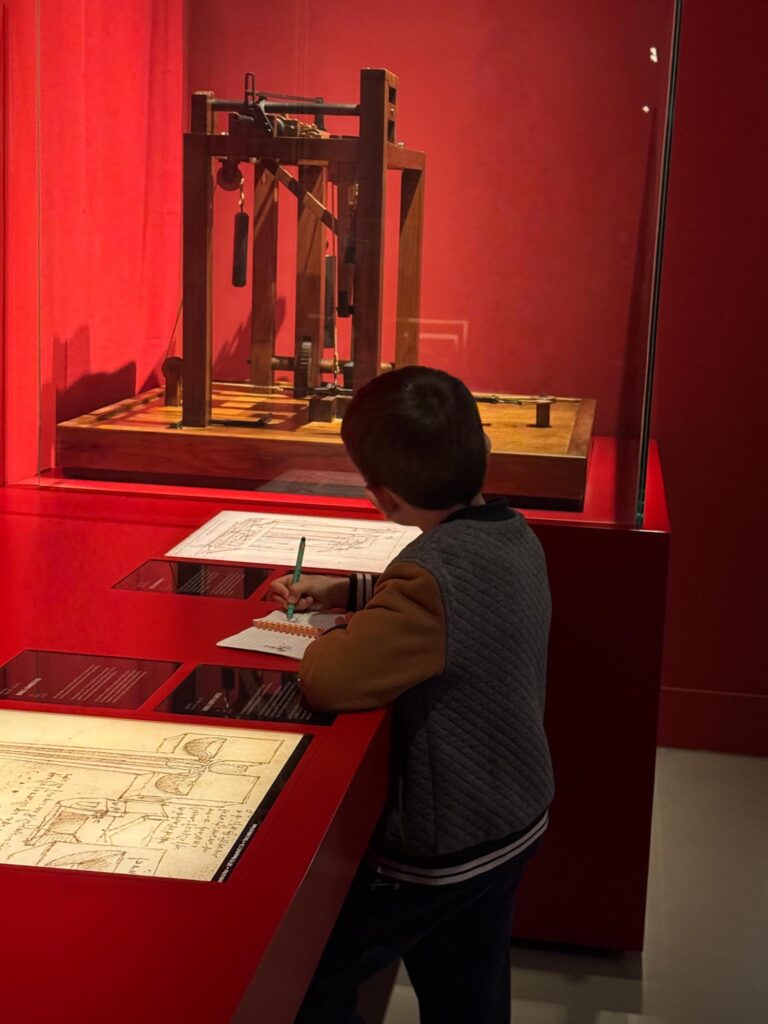
Some studies Leonardo drew were machines to standardize or simplify tasks, like creating a screw or smoothing glass to make a concave lens. Here a budding engineer is copying one of the museum models into his notebook.
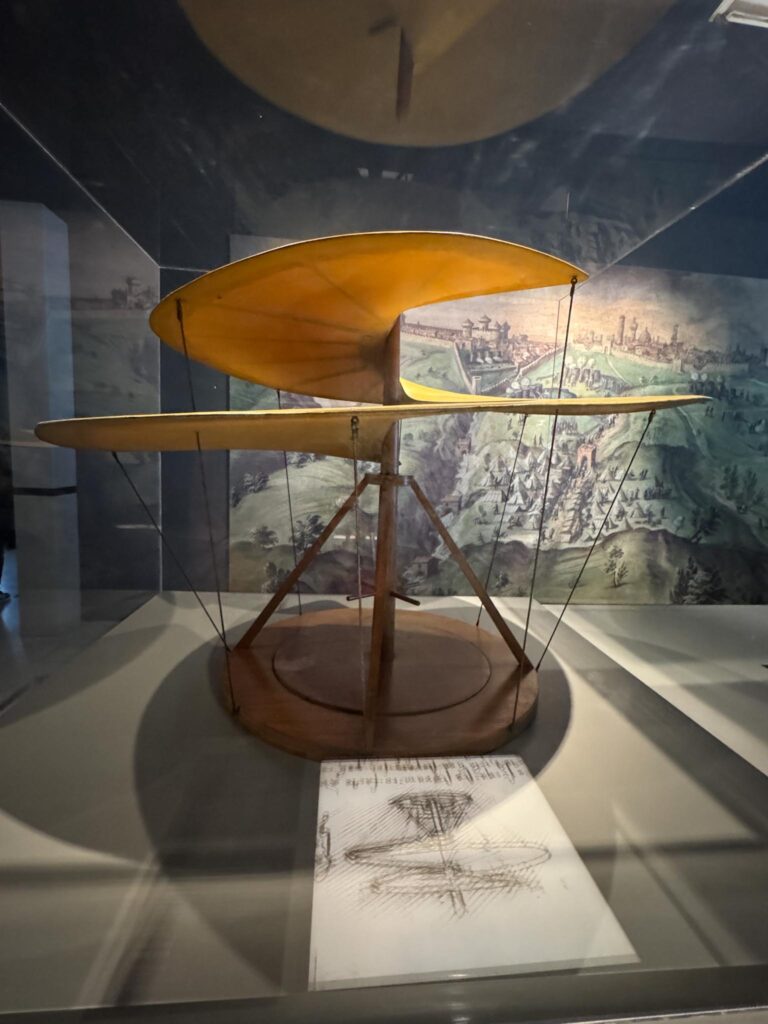
This is a model from Leonard‘s aerial screw, a study he was completing on birds and flight.
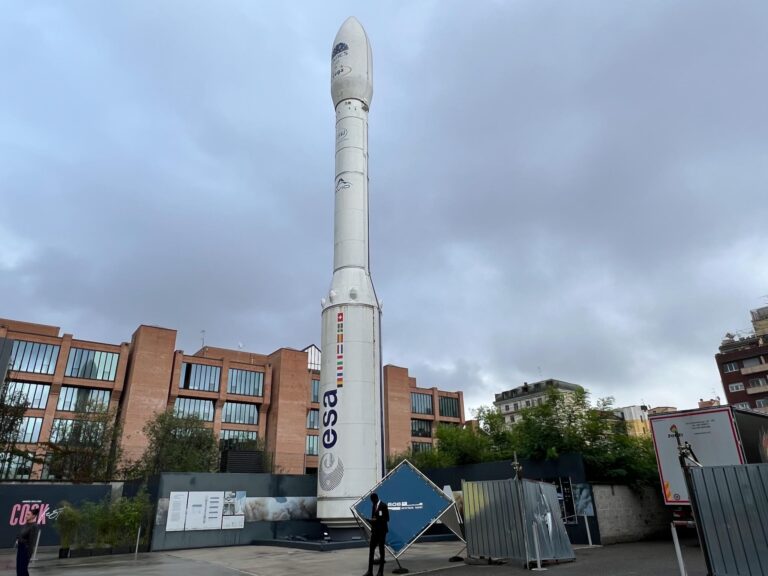
Vega is an acronym for European Advanced Generation Vector, an European Space Agency launcher able to place small satellites on terrestrial orbits as distant as 2000 kilometers.
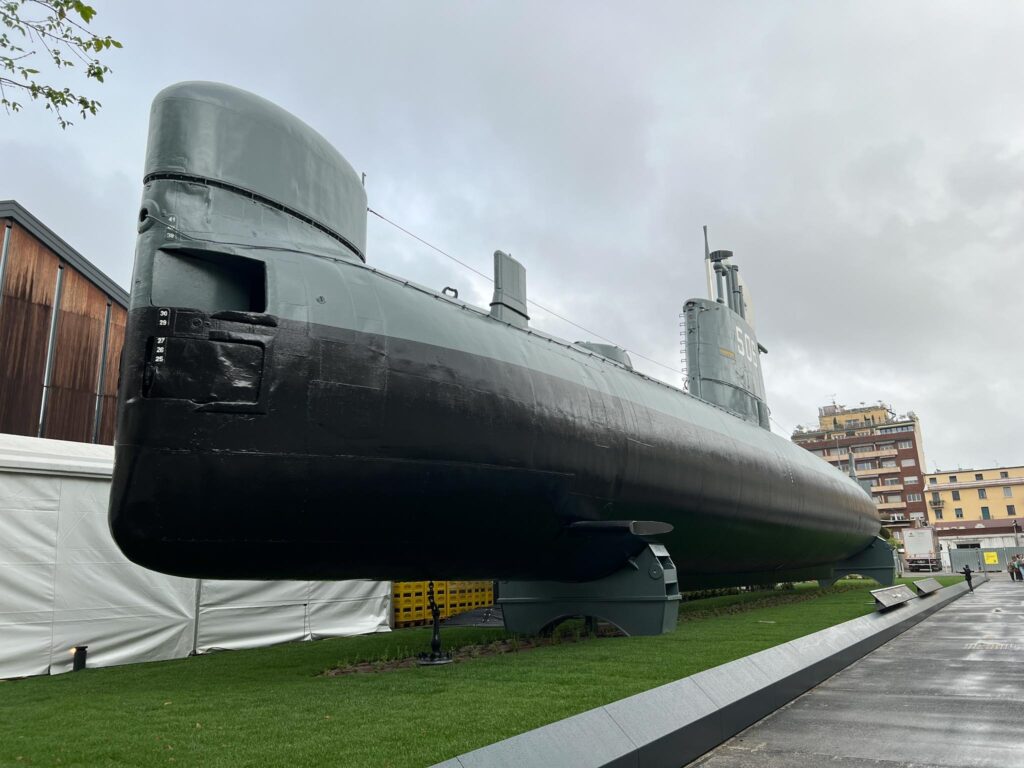
The Enrico Tori as the first submarine built in Italy after WWII. With two others in its class, they were built in response to the need to monitor the Mediterranean for Soviet nuclear submarines during the Cold War.
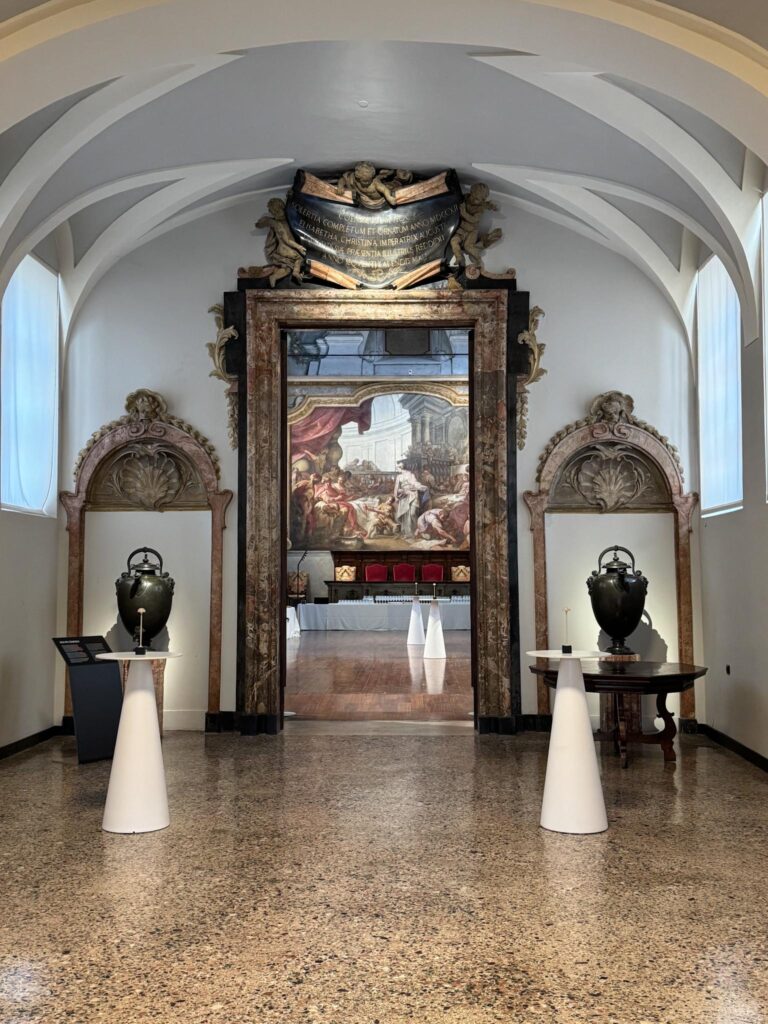
During post-war reconstruction after heavy WWII bombing, the founder of the museum proposed that some rooms of the new museum be furnished in period-style furnishings and be reserved for conferences and receptions. This is one of those rooms.

2 Responses
Richard, always enjoy your Relive. You and Jan do such a great job of recording your adventures!
Dan
We loved this museum and seeing changes from our last visit. Richard could have spent all day there. It’s tough to pare down the video and blog post so as not to bore you all too much!