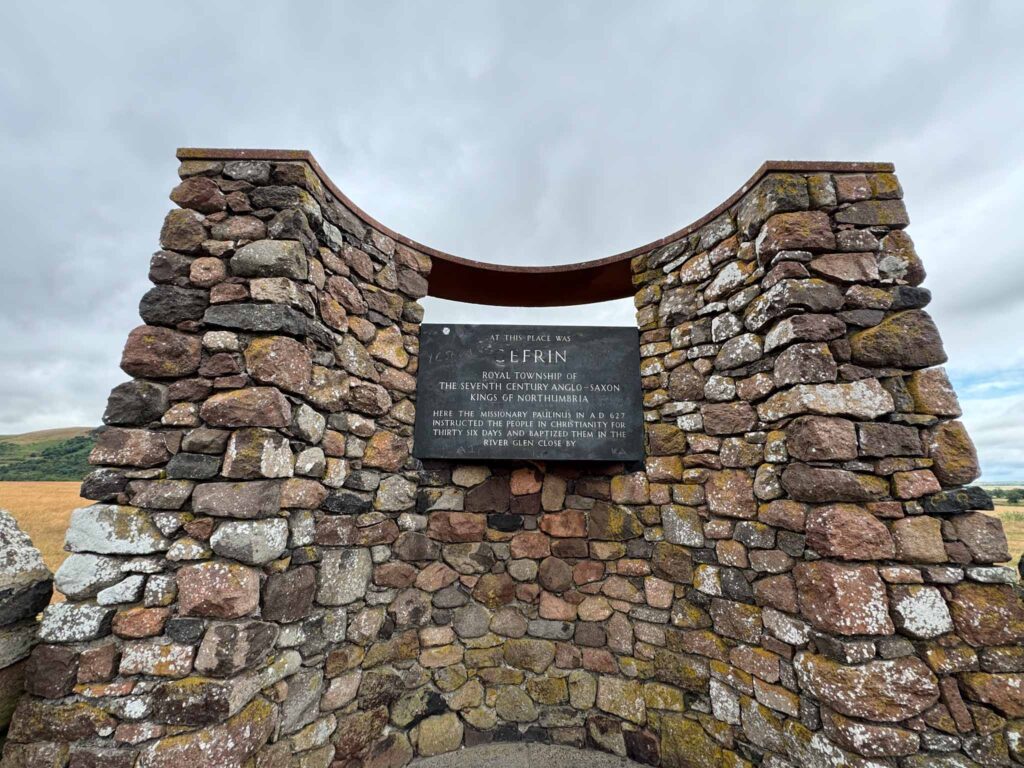
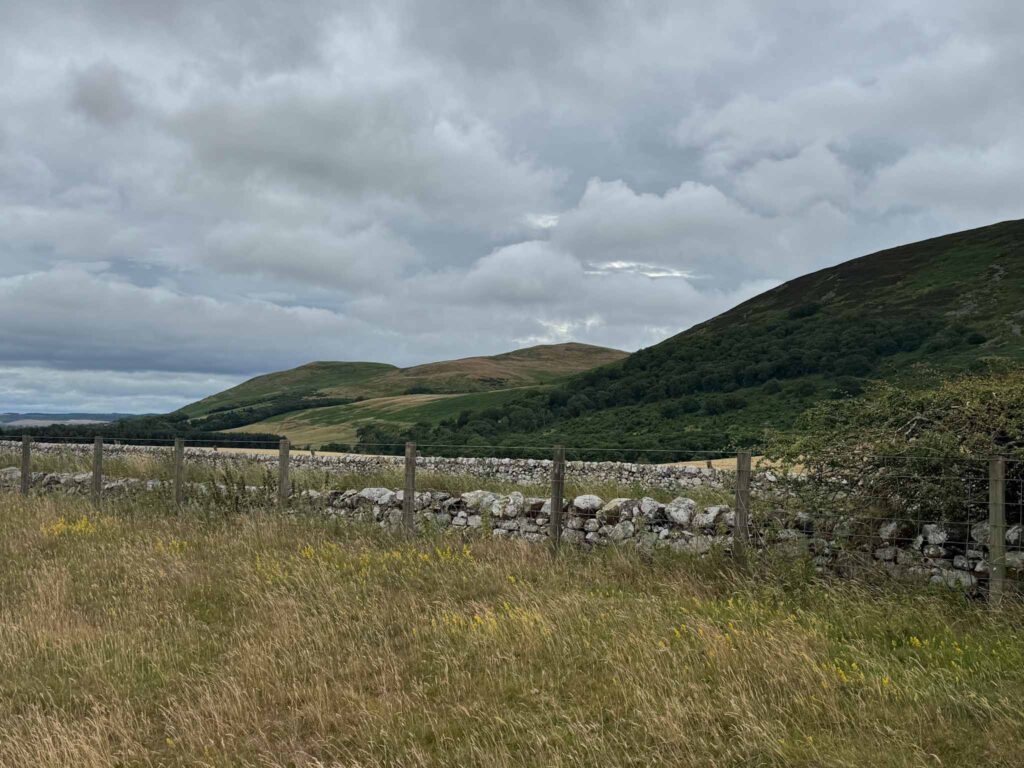
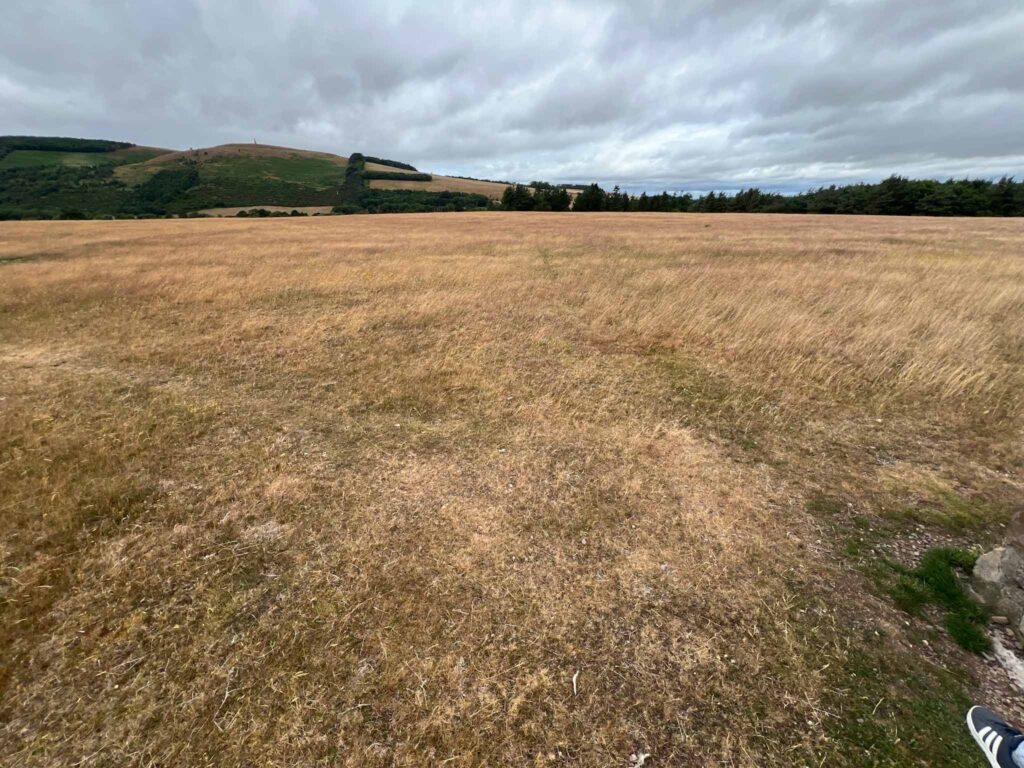
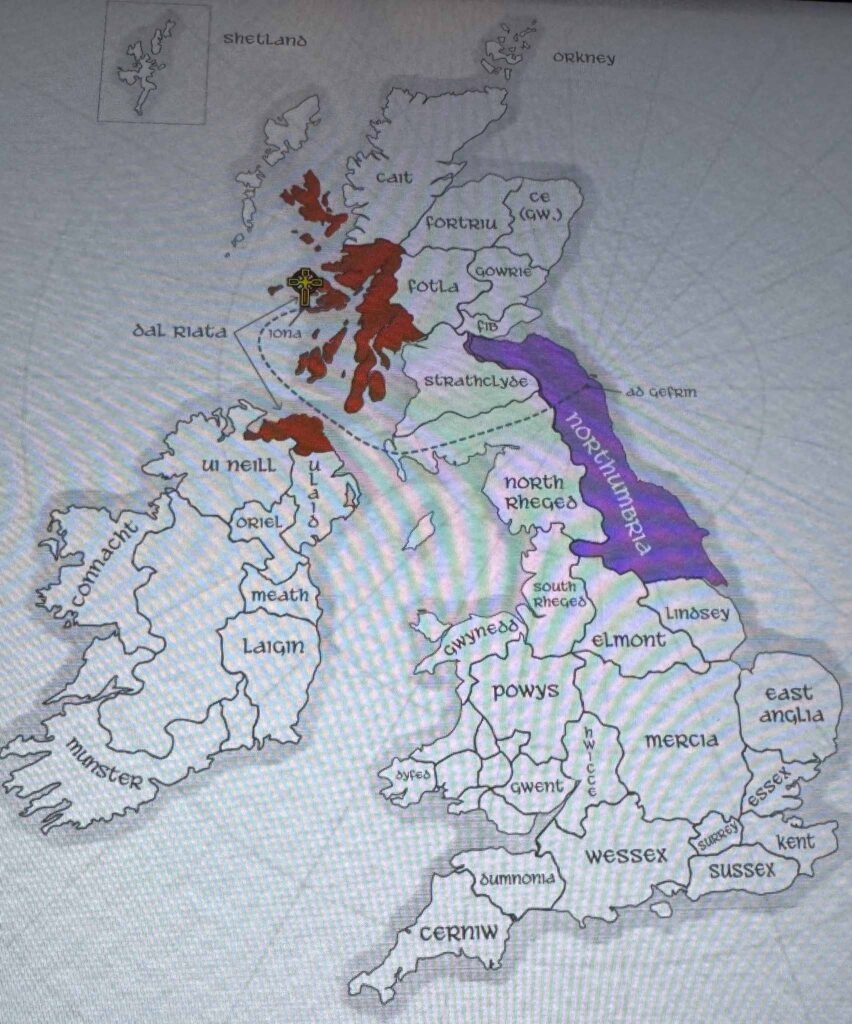
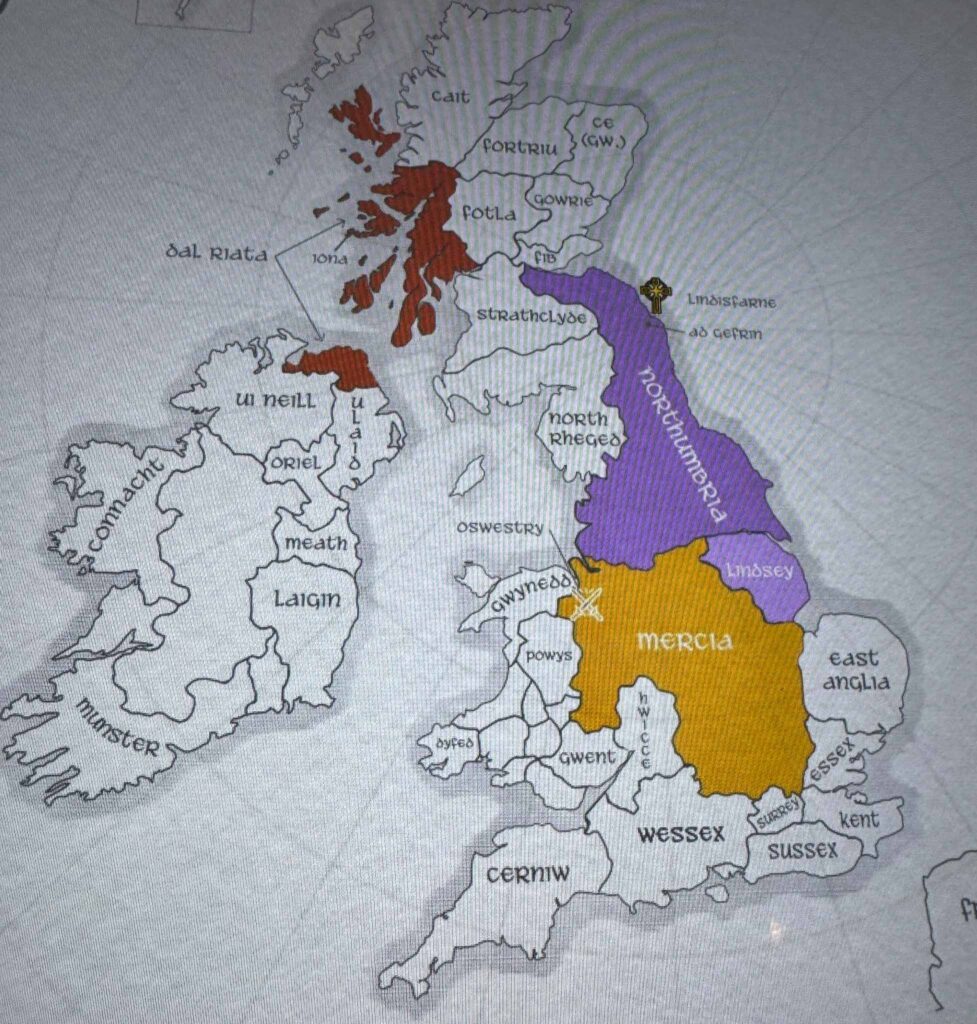
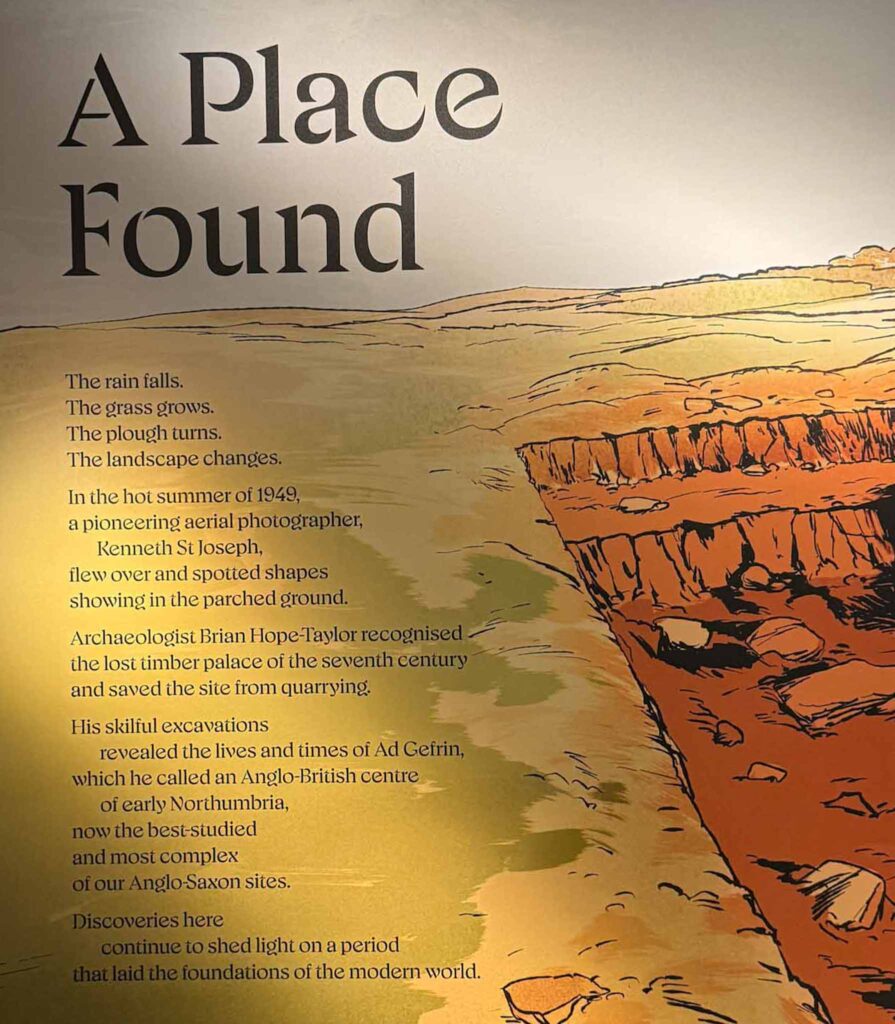
Ad Gefrin now looks like any other grazing field, but 1400 years ago it was a center of Anglo-Saxon kings of Northumbria. Excavations are not obvious in the field, but information in the nearby museum comes from field work after 1949 aerial work showed physical traces of the ancient site.
The Cheviot hills were a land of rich soil and have drawn communities since the Bronze Age (2400-1700 BC. Rituals and burials with stone monuments and burials and cremations have been found.
During the late Bronze and Iron Ages, Northumberland’s largest hillfort stood on top of Yeavering Bell. Surrounding 125 roundhouses was a rampart built from stone, home of wild goats, in Celtic called Gefrin, the Hill of the Goats.
From the 5th to the 7th centuries, the landscape around Ad Gefrin was permanently inhabited by an expanding Anglo-Saxon population.
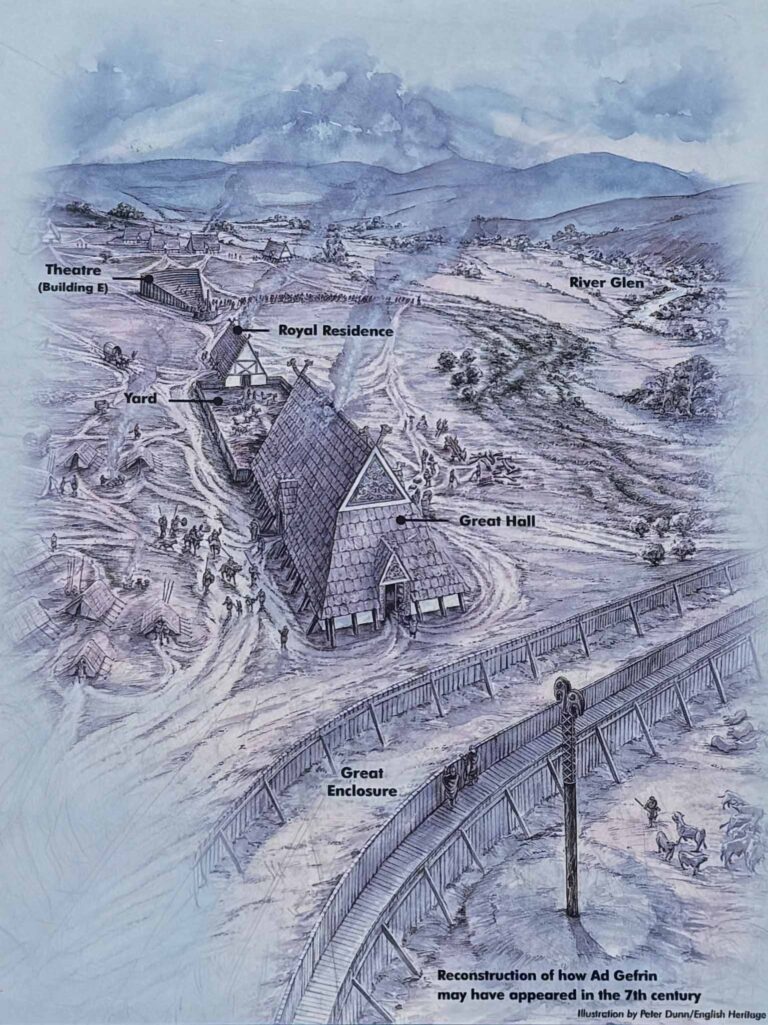
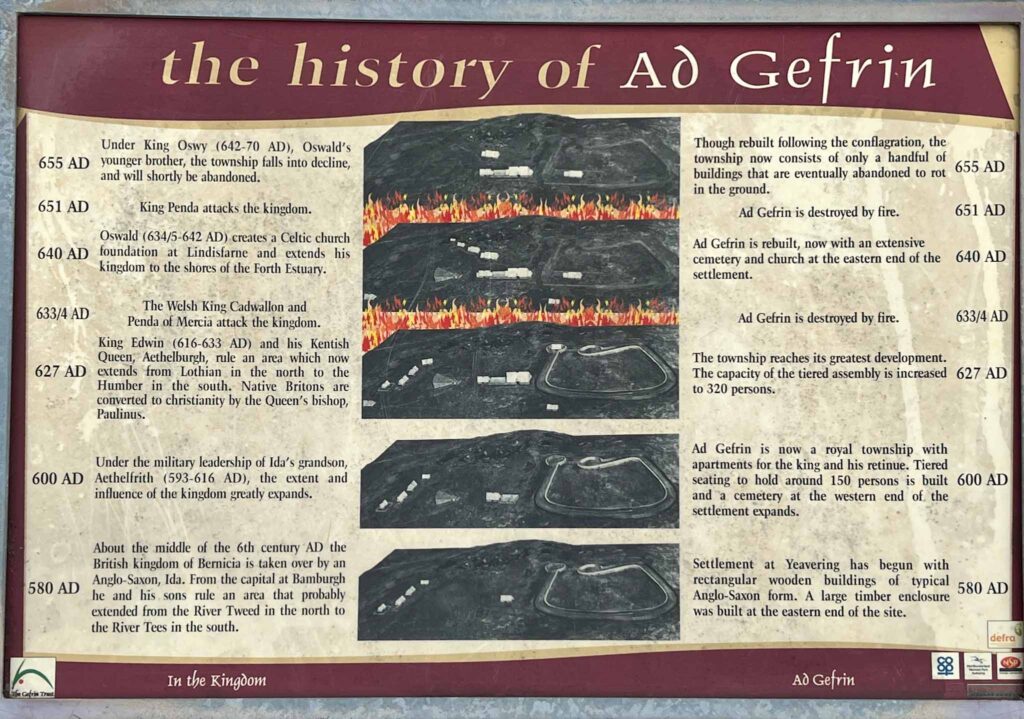
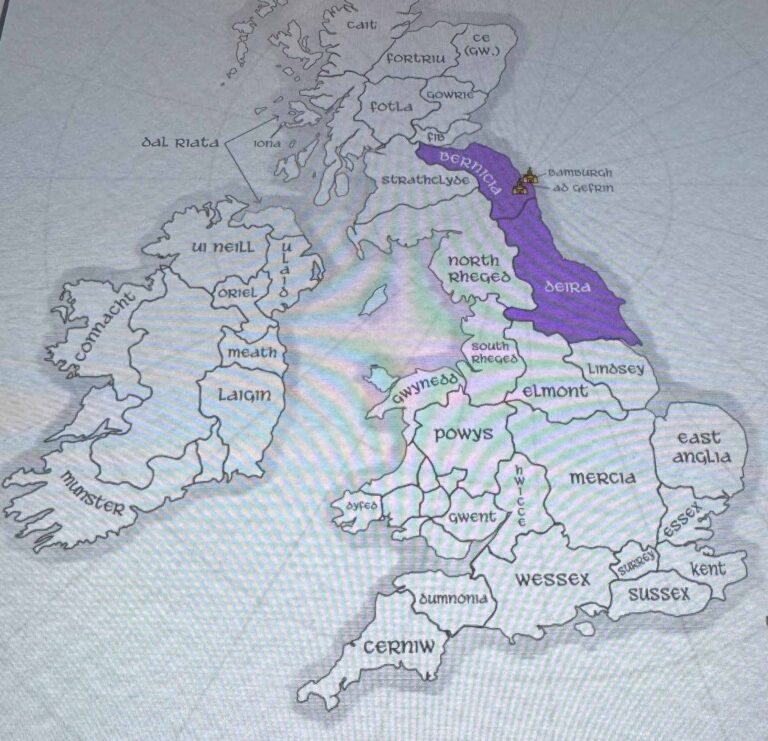
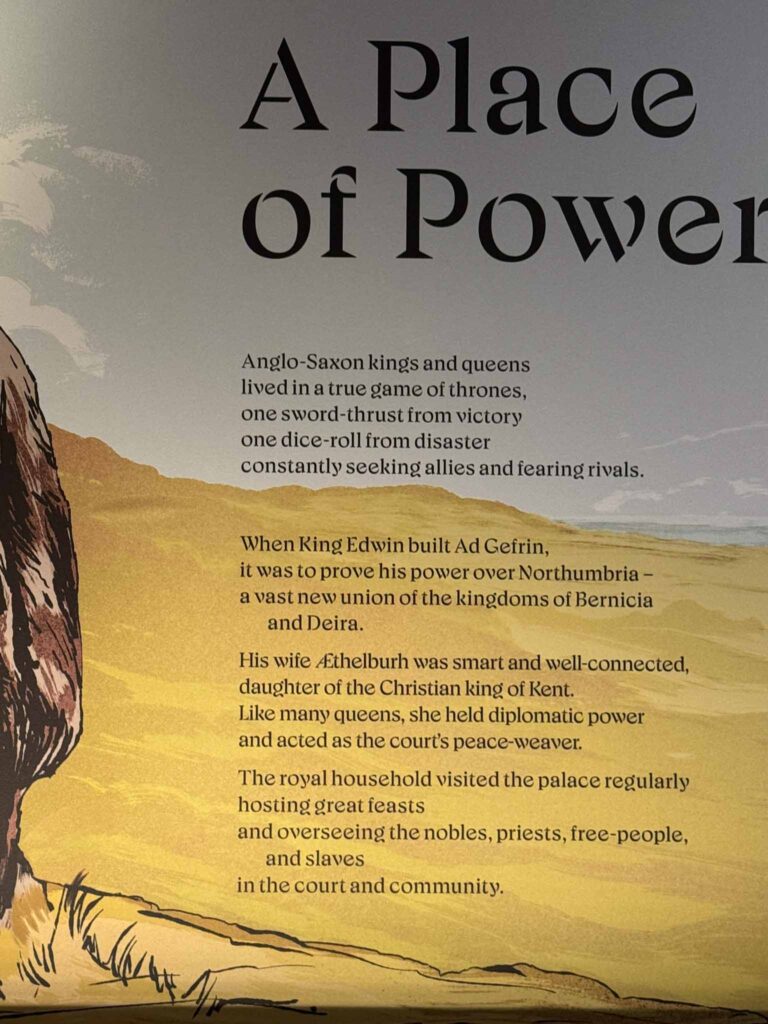
Ad Gefrin lay at the heart of the Anglo-Saxon kingdom of Bernicia. For over a century (550-650) the settlement underwent rebuilding and rearrangement eventually encompassing the Great Enclosure, royal lodgings, Great Halls, a pagan shrine, and a seated grandstand.
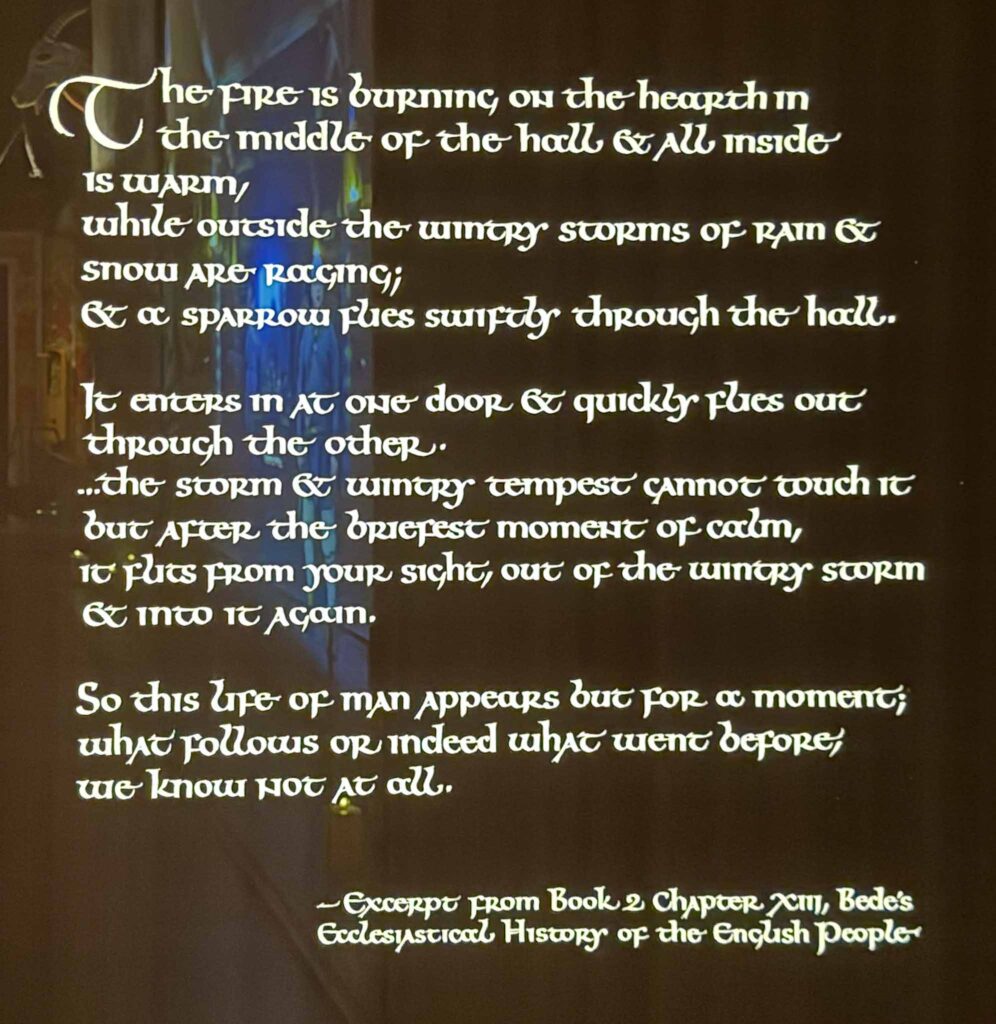
The Great Hall was a focus for gatherings, feasts, and story-telling, central to Royal power in the 7th century. It was over 250 square meters in area with entrances on all four sides. Only foundations have been discovered as the walls were timber plank walls, but evidence suggests it would have been carved with elaborate designs and painted.
The grandstand allowed the king to exercise authority by assembling and addressing the people, unparalleled in other Anglo-Saxon kingdoms. The speaker’s platform was positioned so that the audience on graduated raised seating saw the Great Hall and Great Enclosure to the east. At its largest the grandstand had three tiers of seating and held almost 350 people.
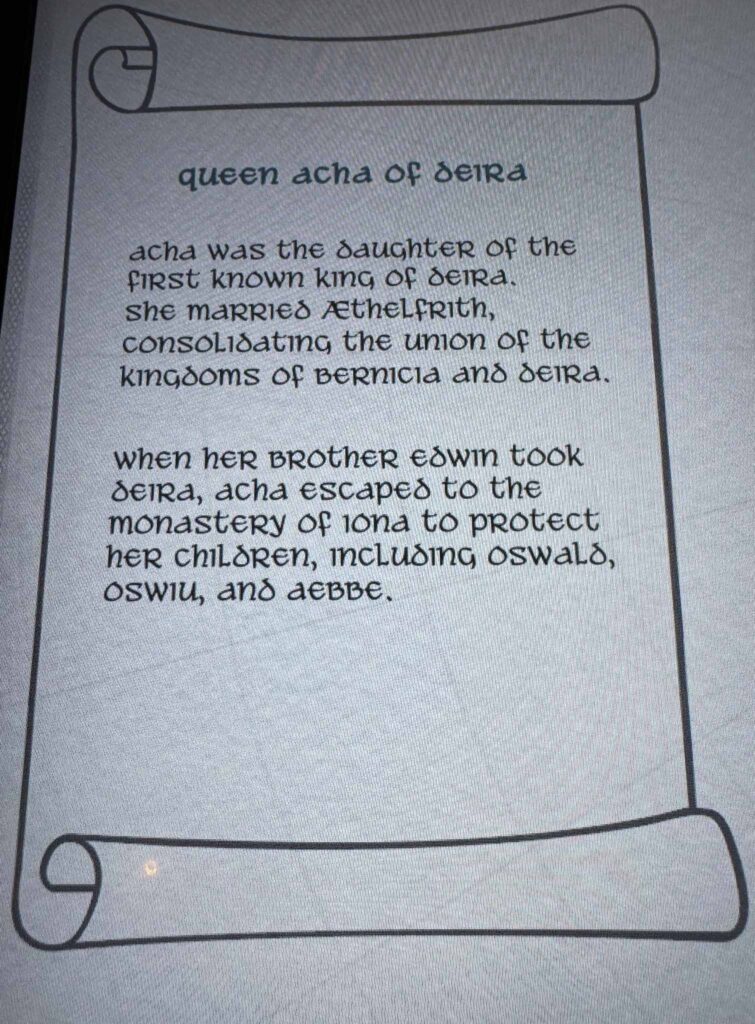
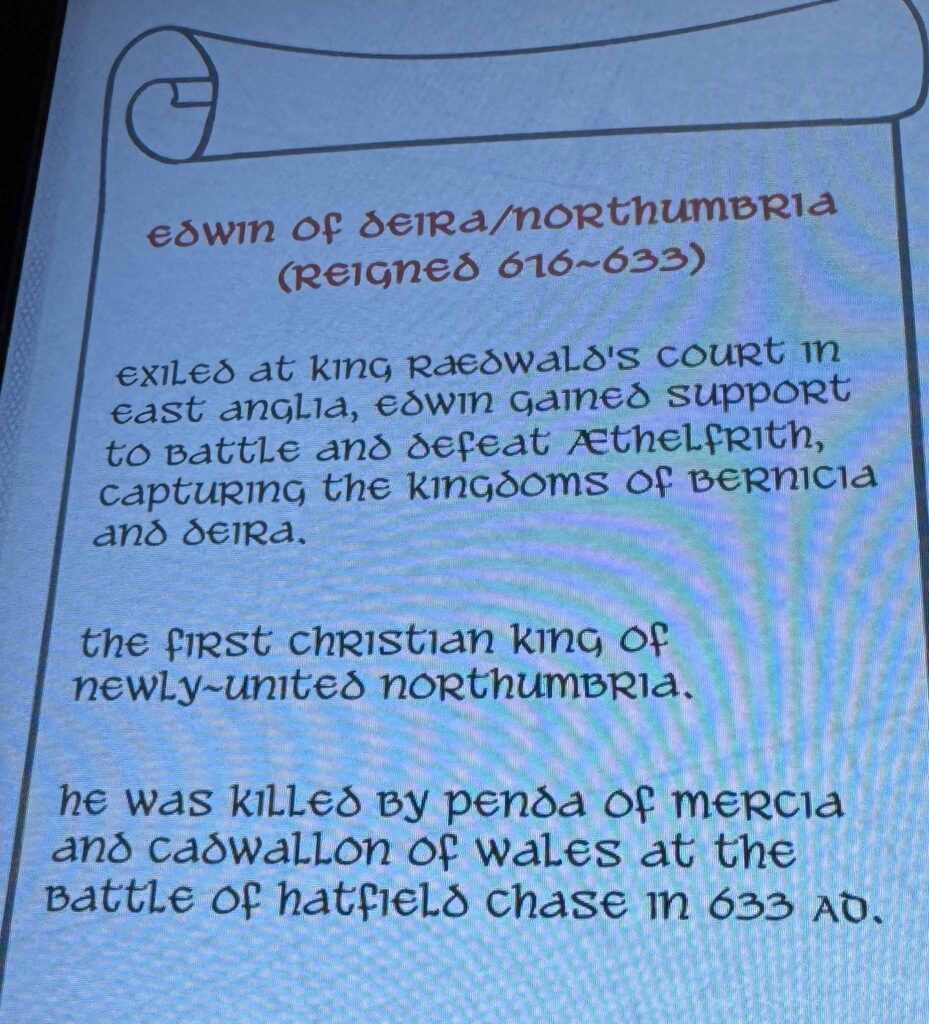
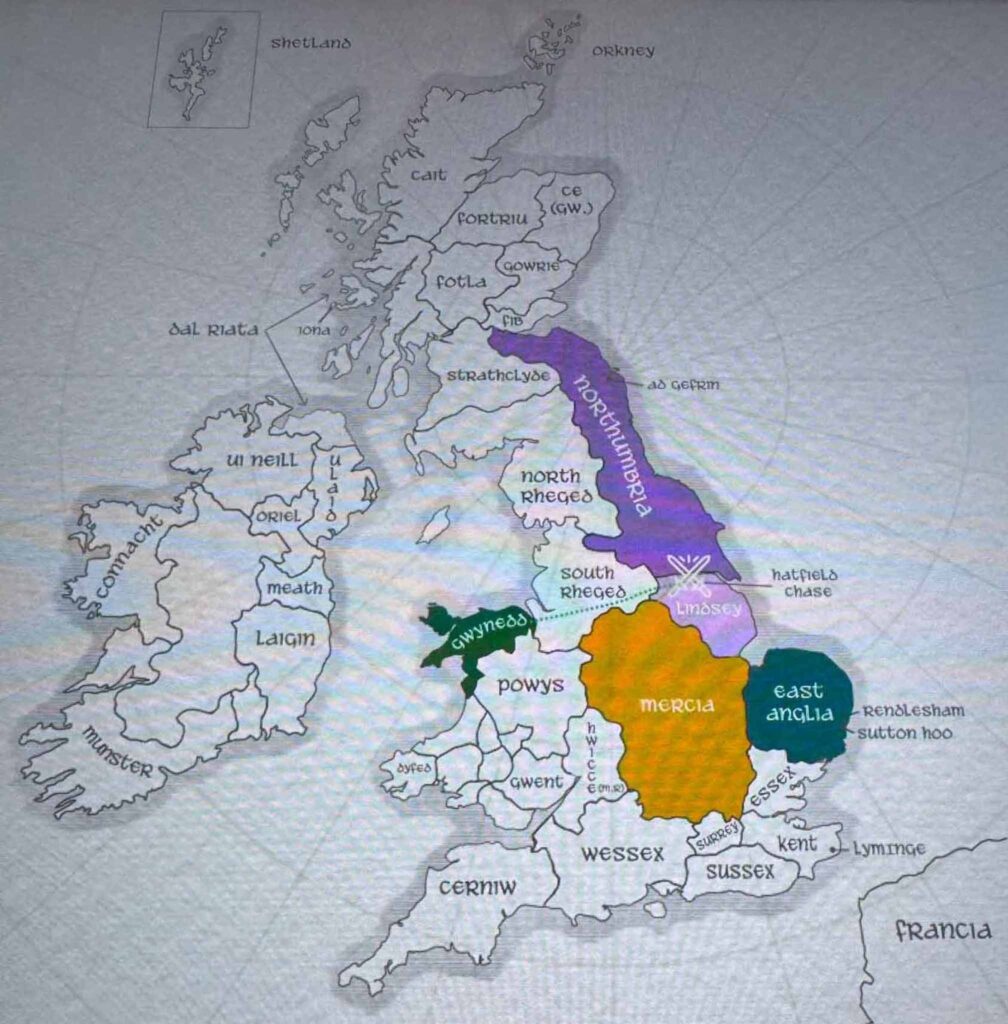
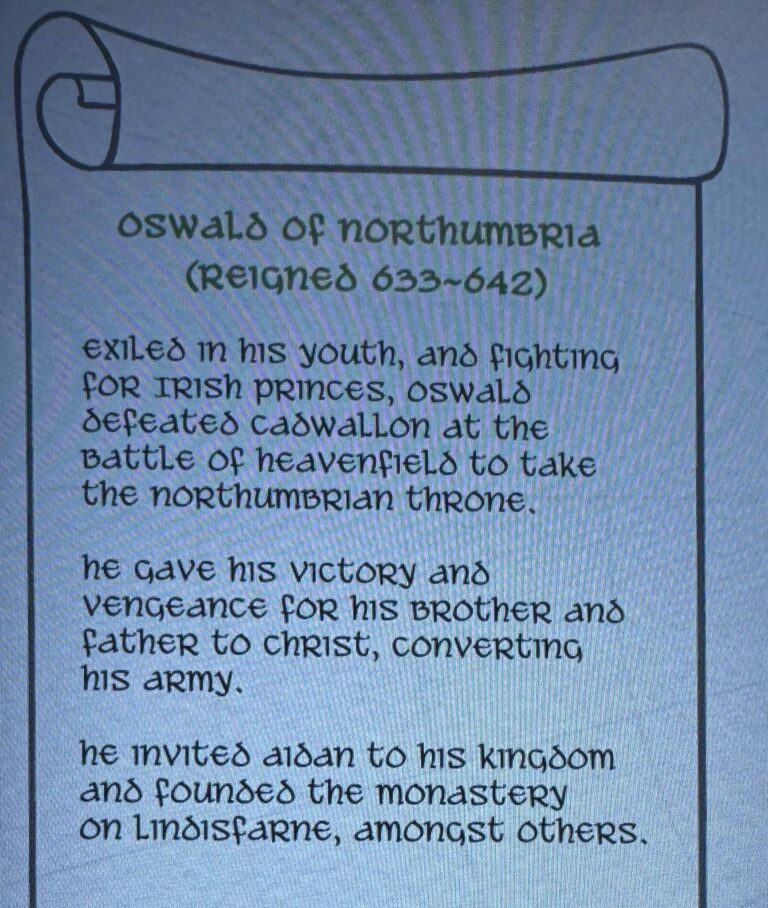
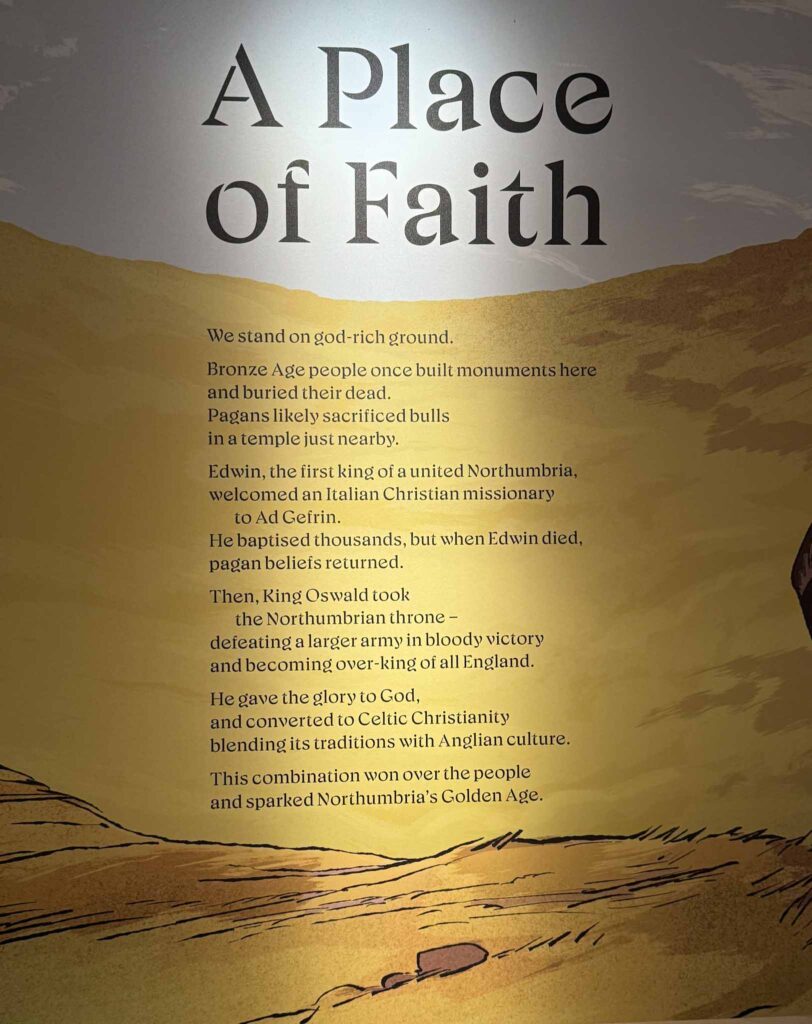
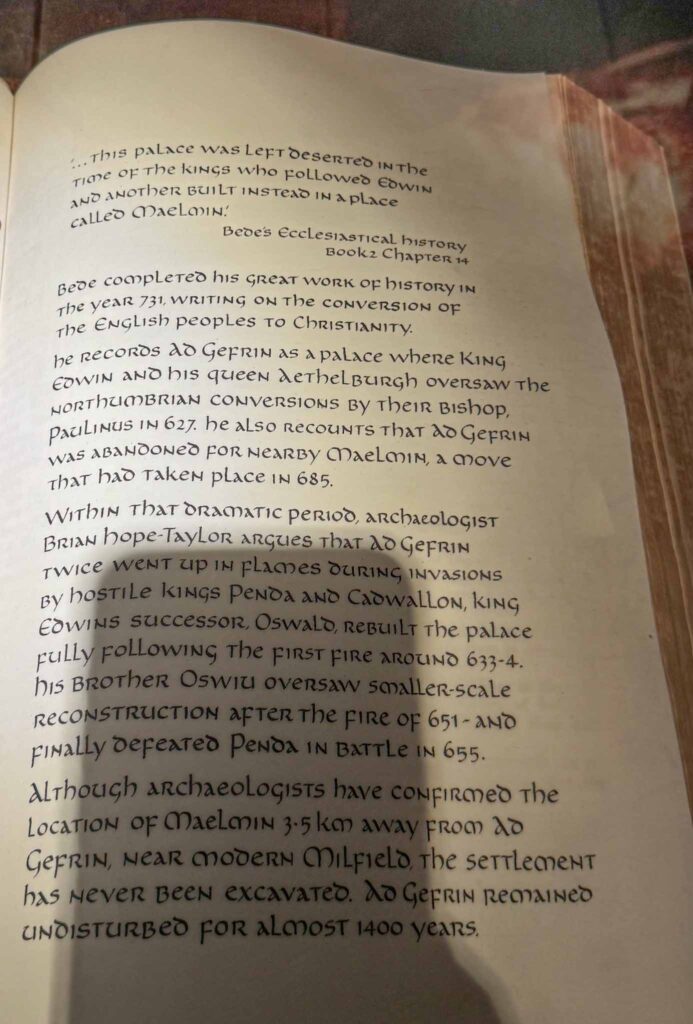
For over a century, some of the most momentous events in early northern English history occurred here, it was the scene of widespread conversions to Christianity by Bishop Paulinus from Italy. It also became temporary home to some of the greatest kings and queens of the day: Aethelrith, Edwin and Aethelburgh, the saintly Oswald and his younger brother Oswald. Twice it was fiercely attacked and destroyed, by the British king Cadwallon and the Mercian Penda. From the close of the 7th century, all trace of the Anglo-Saxon palace, once an imposing presence, faded away. The site of Bede’s ad Gefrin was lost until its rediscovery through aerial photography in 1949.
How do we know the story of Ad Gefrin? It was written by Venerable Bede, a monk from the very Christian religion spread from Ad Gefrin all across Northumbria.
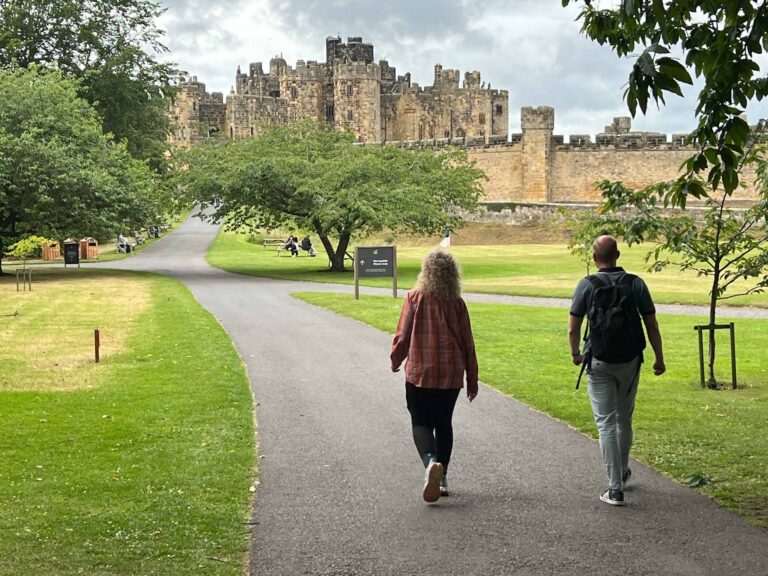
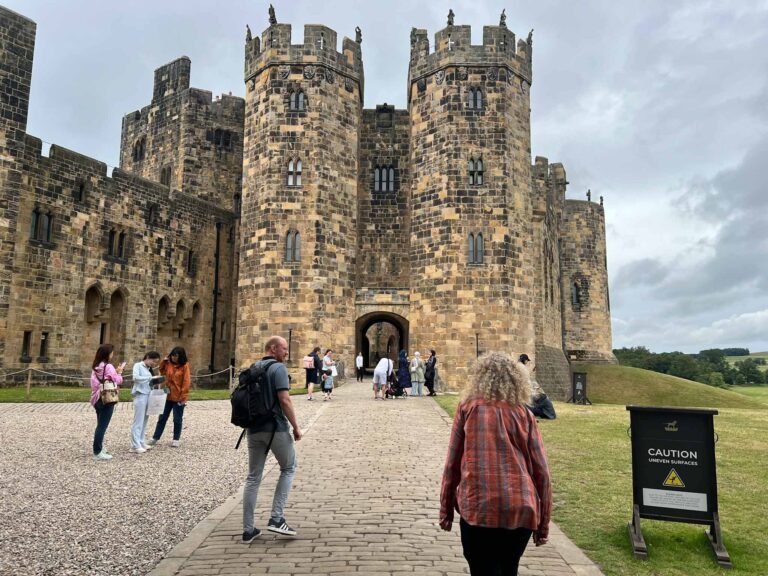
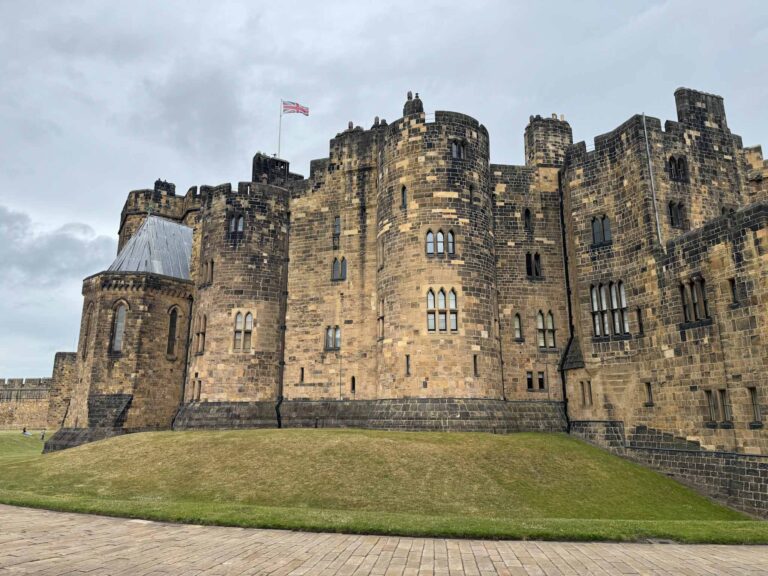
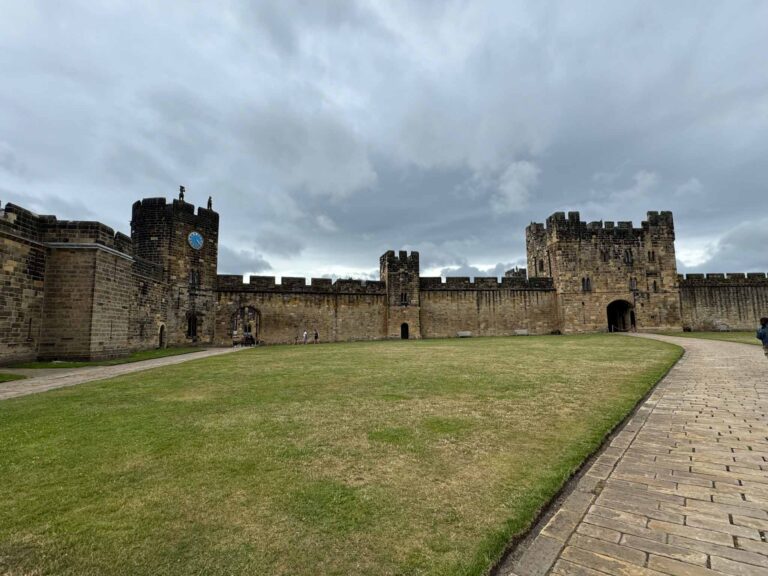
The first parts of the castle were built in 1096, and then it frequently changed hands until about 1475 when the castle was returned to the Percy’s.
Today the current Duke of Northumberland and his family live in the castle but only occupy a portion of it. The castle is open to the public during the summer.
Interest in the castle spiked when it was used for scenes of Hogwarts in the Harry Potter films. It has also been used in filming many other films.